What Is 3D Printing? A Comprehensive Guide to Additive Manufacturing Technology and Its Future Prospects
◎3D printing (3D Printing), also known as additive manufacturing, is an advanced manufacturing technology that converts three-dimensional digital models into physical objects. It uses a 3D printer to stack materials (such as plastics, metals or biomaterials) layer by layer to manufacture products with complex structures and fine details.
◎Unlike traditional subtractive manufacturing methods (such as turning and milling), 3D printing does not require mold opening, has higher flexibility and shorter production cycles. At present, 3D printing technology has been widely used in many high-value-added industries such as medicine, aerospace, automobile manufacturing, architectural design, industrial parts customization, creative arts and food technology.
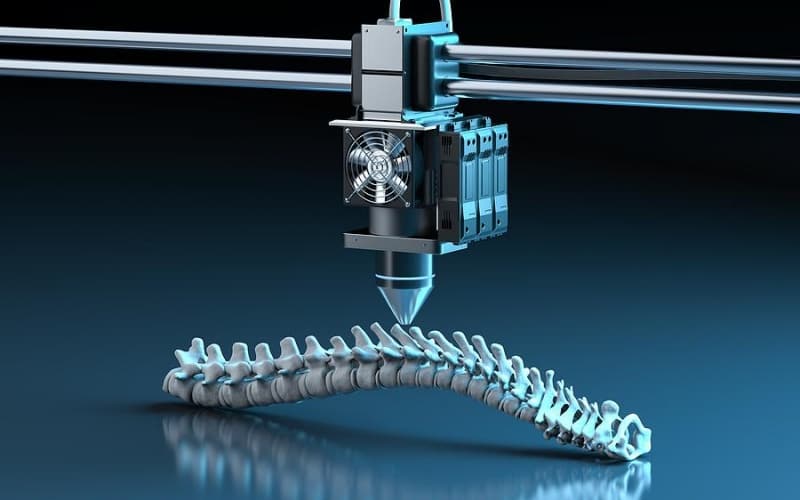
◎For example, an Israeli food technology company used 3D printing technology to successfully produce the world's first artificial fish meat, which is not only realistic in appearance, but also tastes the same as real fish; in the medical field, researchers can even print the spine of mice to help paralyzed mice stand up again.

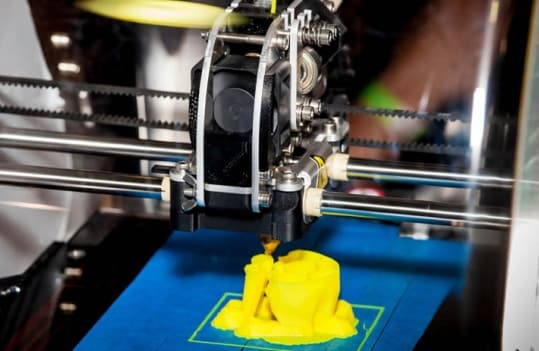
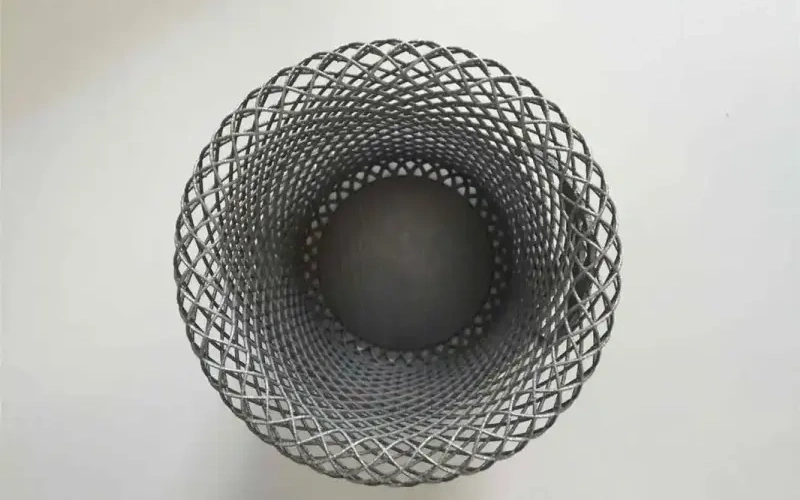
1. High design freedom: 3D printing can easily complete complex design products and can process complex parts that cannot be produced by traditional processes.
2. Material diversity: Common 3D printing materials are as follows:
| Resin | Full Name | Feature | Application |
| PLA | Polylactic Acid | Biodegradable, easy to print, non-toxic. | Educational models, prototypes |
| ABS | Acrylonitrile Butadiene Styrene | High strength, impact resistance | Engineering parts, housings |
| PETG | Polyethylene Terephthalate Glycol | Good toughness, transparency | Containers, fixtures |
| TPU | Thermoplastic Polyurethane | Good elasticity, wear resistance | Soles, washers |
| PC | Polycarbonate | High strength, heat resistance | Engineering parts, electronic housings |
| PA | Polyamide | Good strength, toughness and wear resistance | Tool parts |
| PEEK | Polyether Ether Ketone | High strength, high temperature resistance, chemical corrosion resistance | Engineering parts, medical components |
| Biomaterial | Biomaterial | Food, organ |

In addition, 3D printing can also use biomaterials. For example, an Israeli food technology company successfully used 3D printing technology to create the world's first artificial fish meat, and the taste is no different from real fish
3. High manufacturing efficiency: 3D printing can quickly produce models and complete complex processes, such as complex honeycomb, hollow, and porous products, and greatly shorten the time for traditional processes to open molds.
4. Environmental protection and energy saving: It can accurately complete instructions, reduce the loss and waste of materials, and can be produced with degradable materials such as PLA.
Build 3D model - prepare raw materials - prepare for printing (calibrate machine, set nozzle temperature, etc.) - 3D printing - post-processing (grinding, polishing, coloring, UV curing, etc.)
What is The Market Prospect of 3D Printing?
The market scale continues to expand:
According to reports from multiple research institutions (such as Statista and Grand View Research), the global 3D printing market is growing at an annual compound growth rate (CAGR) of more than 20%. It is expected that the market scale will exceed US$50 billion by 2030.
Government policy support:
China, the United States, Germany, Japan and other countries have included 3D printing in the key support projects of "high-end manufacturing" and "intelligent manufacturing".
Masterbatch products: Provide color masterbatches of various carriers such as ABS, TPU, PLA, including special colors such as pearlescent masterbatches, as well as functional masterbatches such as UV resistance, luminous, light-changing, and temperature-changing.
Formula system: With a 50-year stable formula system, it guarantees material performance and reduces material waste.
Proofing service: Provide free proofing to facilitate customers to verify the effect in advance.
Response service: Provide 24-hour quick response before, during, and after sales to solve customer problems in a timely manner.