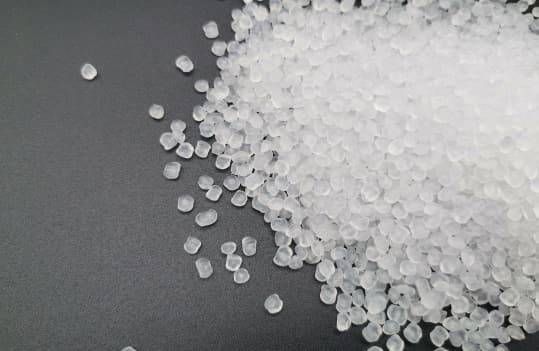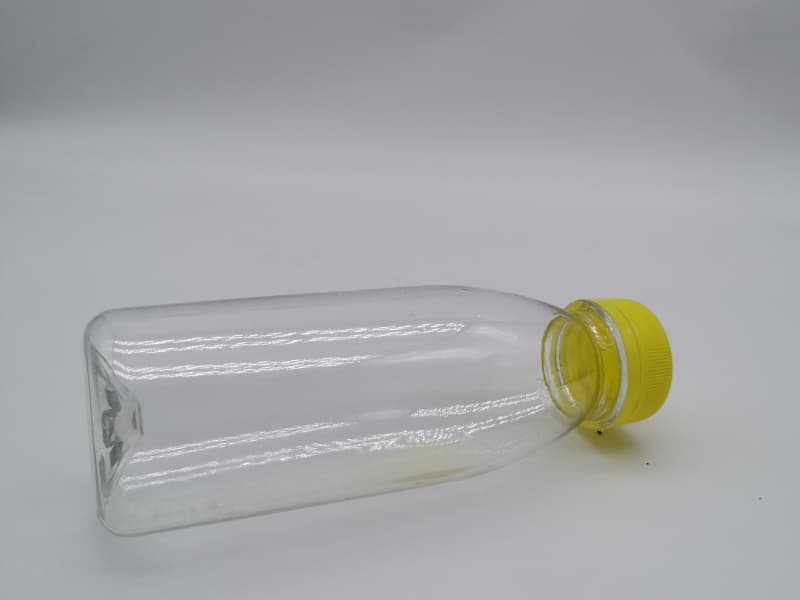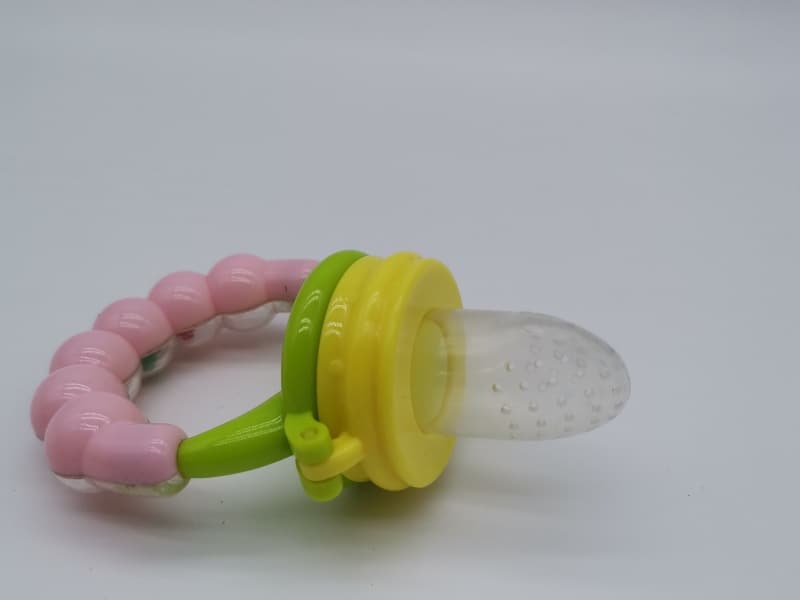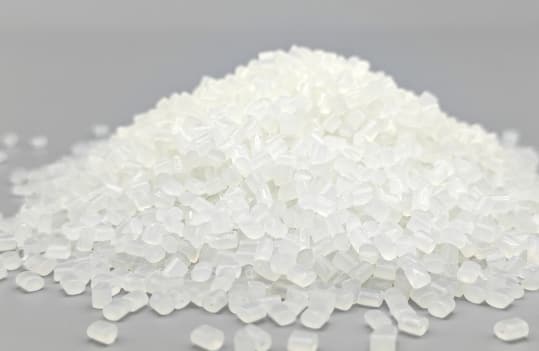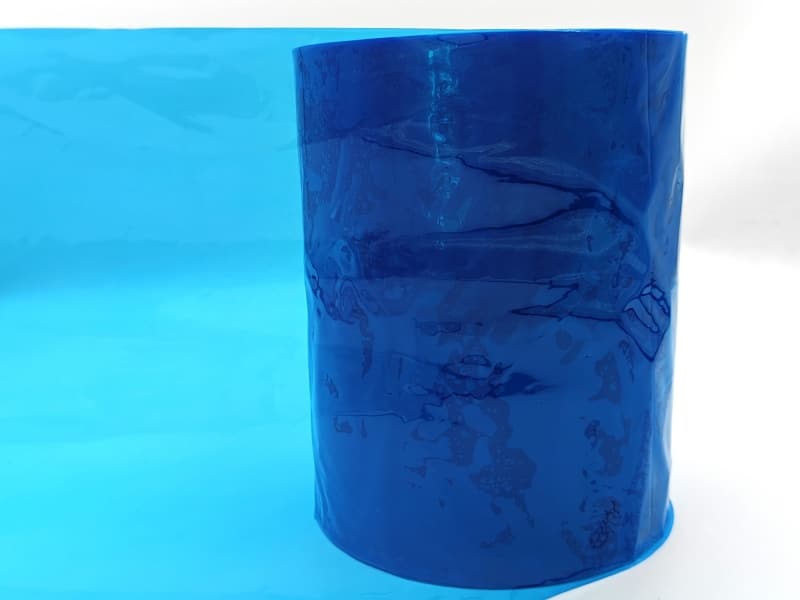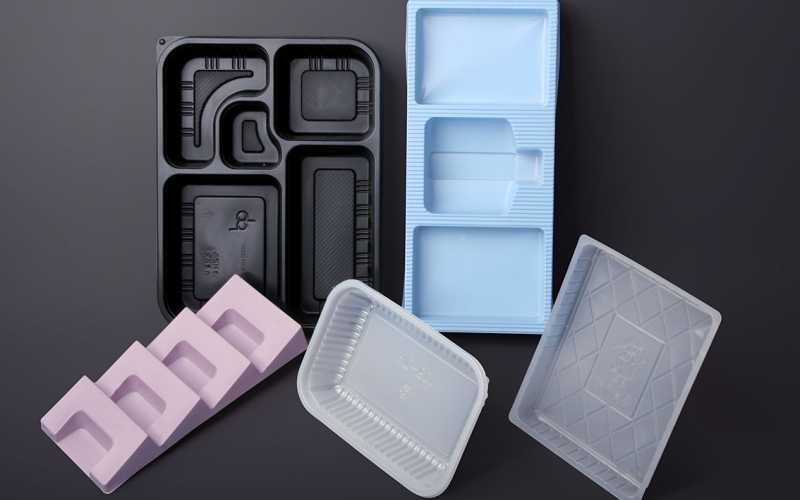
Polypropylene is a thermoplastic made from the polymerization of propylene monomers, and is extremely widely used in industry and life.
| Advantages |
| High chemical stability, not easy to react with food, grease or detergents |
| Heat resistant reaches to over 100°C |
| Does not contain bisphenol A (BPA) or phthalate plasticizers |
For this reason, PP is known as "one of the safest plastics" and has become the preferred choice for food packaging, tableware, and children's products.
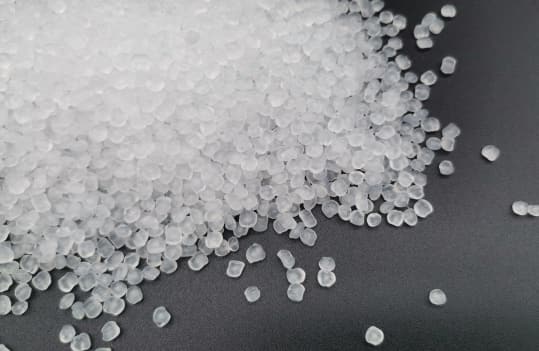
| Name | Resin ID | Safety and Precautions |
| Polyethylene terephthalate (PET) | 1 | Generally considered safe, but may release a metal element called antimony at high temperatures |
| High-density polyethylene (HDPE) | 2 | Releases a small amount of chemicals that may increase estrogen levels in the body |
| Polyvinyl chloride (PVC) | 3 | May contain toxic substances such as DEHP, which may cause cancer at high concentrations. It may also contain harmful ingredients such as dioxins and vinyl chloride that are teratogenic, carcinogenic, or interfere with hormones |
| Low-density polyethylene (LDPE) | 4 | Generally considered safe |
| Polypropylene (PP) | 5 | Generally considered safe, suitable for food contact and high temperature use |
| Polystyrene (PS) | 6 | May release styrene (a possible carcinogen) |
| Others (including polycarbonate, etc.) | 7 | Belong to "other" plastics, may contain BPA (bisphenol A), and are generally not considered safe. |
Polypropylene has been included in the safety white list of food contact materials in many countries and regions, mainly including:
| Country/Region | Regulatory Standards |
| China | GB 4806.6-2016 "Plastic Resins for Food Contact" |
| European Union | EU No. 10/2011 |
| The U.S. | FDA CFR 21 §177.1520 |
The above regulations allow PP to be used in containers and packaging materials that are in direct contact with food under the requirements of migration limits.
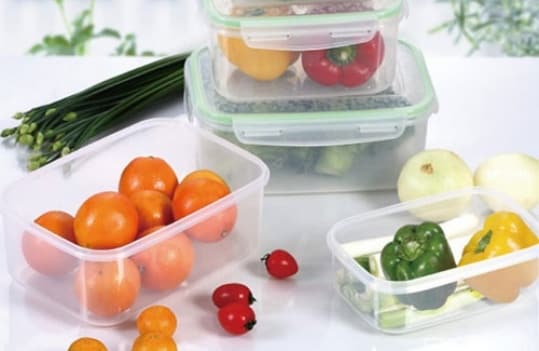
| Application Areas | Examples | Features |
| Food containers | Microwave lunch boxes, milk bottle caps, takeout boxes | Food grade, safe, high temperature resistant |
| Medical items | Syringes, medicine bottles, sutures | Non-toxic, meet medical-grade biosafety requirements |
| Household items | Storage boxes, buckets, rice cooker lids | Lightweight and durable, various colors, easy to clean |
| Non-woven items | Mask filter layer, diapers, medical protective clothing | Spinnable, soft and breathable |
Materials that can be used in the medical field must pass a series of rigorous tests such as biocompatibility and safety. This shows that PP is a highly reliable material at the scientific and regulatory levels.
1. PP may decompose when it exceeds its melting range (130–170°C). It is not recommended to use PP products for frying, high-pressure steaming or open flame heating environments.
2. Purchasing PP products with "food contact mark" or regular brands. Some inferior PP products on the market may be mixed with miscellaneous materials or recycled plastics, so that the quality is difficult to guarantee.
3. It is recommended to replace aged, scratched, and yellowed plastic products regularly
How to identify PP?
→ Check the bottom markings:
●Look for the number “5” or the letters “PP”;
●Check for labels such as “food contact safe” or “microwave safe”;
●Verify if the product is from a reputable brand or has certification marks.
Standard Polymer's polypropylene products offer reliable assurance in terms of safety, traceability, and regulatory compliance, making them a premium choice in high-standard plastic applications and a dependable safeguard for your health and well-being.
Contact us for technical advice or free samples for testing!