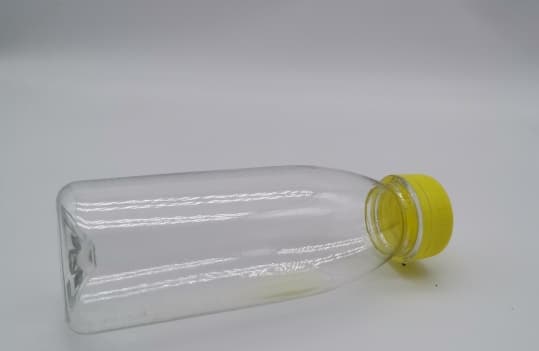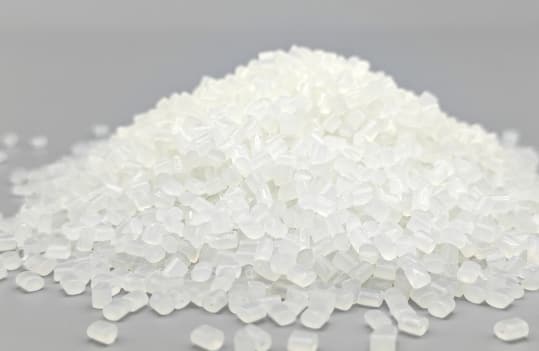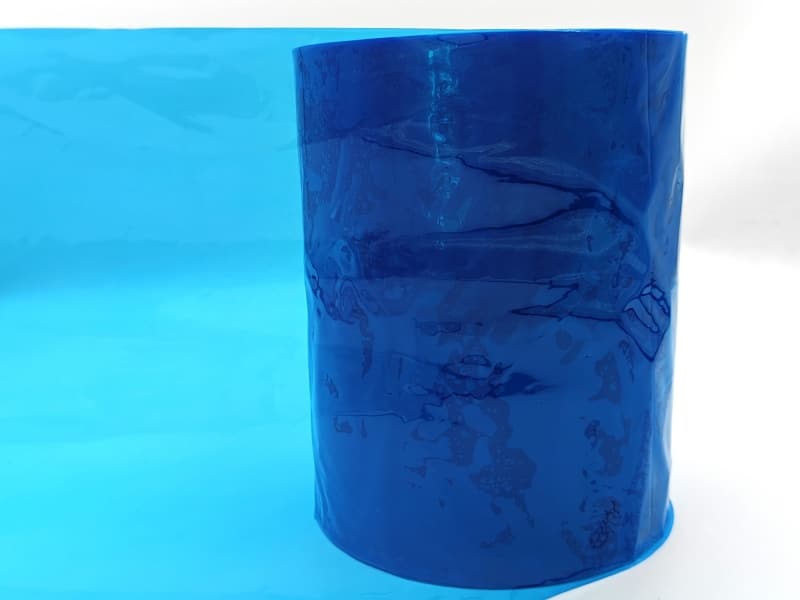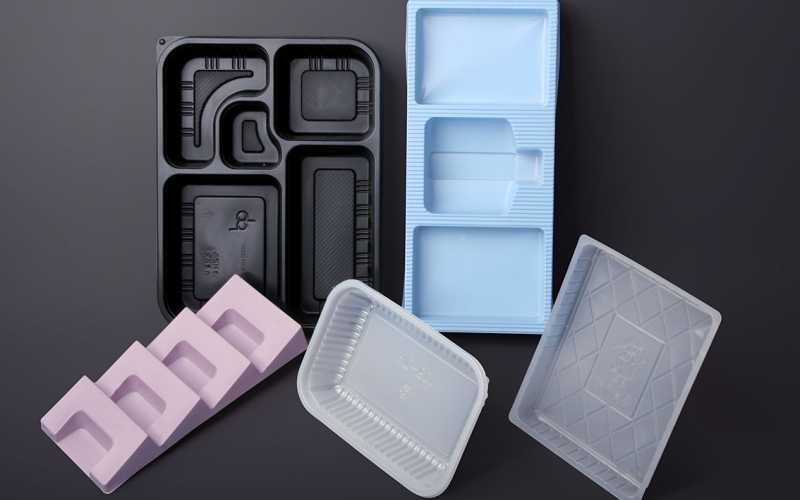
Simply speaking, density is "how much mass there is in one unit volume". In Polyethylene Terephthalate, it is used to measure the structural compactness and some properties of PET materials, with the unit being grams per cubic centimeter (g/cm³).
| Material | Typical Density (g/cm³) |
PET | 1.33–1.38 |
HDPE | 0.94–0.97 |
PP (Polypropylene) | 0.90–0.91 |
PVC | 1.30–1.45 |
●Whether the internal structure is crystalline;
●The speed of cooling during the processing;
●Whether reinforcing materials or other additives have been added.
These variables will cause subtle changes in the internal arrangement of the PET, thereby affecting its overall density performance.
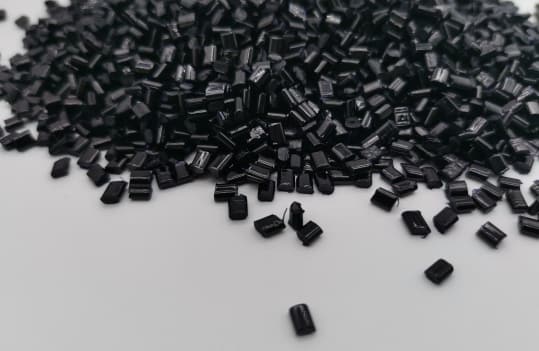
| Type | Density | Characteristics |
| Amorphous Polyethylene Terephthalate | approximately 1.33 g/cm³ | with disordered molecular chains and a transparent state |
| Semi-crystalline Polyethylene Terephthalate | about 1.38 g/cm³ | used to measure the state before melting |
| Crystalline Polyethylene Terephthalate | can reach 1.45 g/cm³ | with highly regular molecular chain arrangement, presenting a milky white or opaque state |
| Advantages of High-Density PET | ·higher strength ·better wear resistance performance ·good heat resistance ·less likely to deform during processing |
| Advantages of Low-Density PET | better transparency and optical properties |
| Application Scenarios | Recommended PET Density | Characteristics |
| Film | 1.38 - 1.40 g/cm³ | High transparency, stable size, good tensile strength |
| Injection molding | 1.33 - 1.38 g/cm³ | Excellent fluidity, fast crystallization, short molding cycle |
| Blow molding | 1.34 - 1.38 g/cm³ | Easy stretching, good transparency, strong impact resistance |
| Spinning | 1.38 - 1.41 g/cm³ | High strength, strong thermal stability, good spinnability |
✅ Heat treatment or annealing treatment: Control the cooling rate to allow molecules to arrange in an orderly manner, thereby increasing density.
✅ Copolymerization or blending technology: During the PET polymerization process, introducing binary acid or binary alcohol monomers can prevent crystallization and reduce the density.
✅Add filling reinforcing materials: Adding glass fibers, talcum powder, etc. as fillers can effectively increase the density of the composite PET.
Although the density of PET is a simple physical parameter, it reflects the complex relationship among its molecular structure, crystallization behavior and performance characteristics. We hope this article introducing the density of PET can provide some assistance for you in choosing the correct PET material.
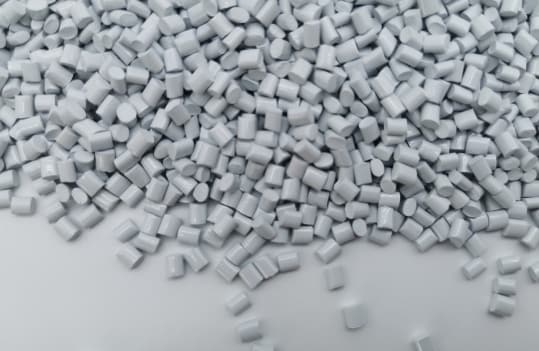
STD scientifically controls the density of PET to provide PET color masterbatches with a wide range of densities, enabling flexible responses to the material demands of PET blow molding, PET spinning, and PET injection molding.
Any requirements for free samples or technical consultation, please feel free to contact us at any time.