Polyethylene (PE) Safety Data Sheet (SDS) Basics
PE SDS explained in plain language
Key physical, health, and environmental risks
Emergency response measures
Safe handling and preventive practices
Consumer safety tips
Clear answers to common FAQs

PE SDS explained in plain language
Key physical, health, and environmental risks
Emergency response measures
Safe handling and preventive practices
Consumer safety tips
Clear answers to common FAQs
When we receive an SDS from a supplier, we often find it long and tedious, missing the point. Seeing a flood of dangerous words leads us to assume polyethylene is unsafe. In this article, I'll briefly summarize the contents of a polyethylene SDS, so you can quickly understand it and understand the precautions and procedures for handling unexpected situations.
It is necessary to clear that polyethylene products are very safe in our daily life, which is why they are considered food-grade. If you are interested or want to know more infos, see another article on our knowledge center (Is Polyethylene Safe?). However, for workers, polyethylene raw materials may present the following three types of hazards during processing and handling:
Dust Explosions
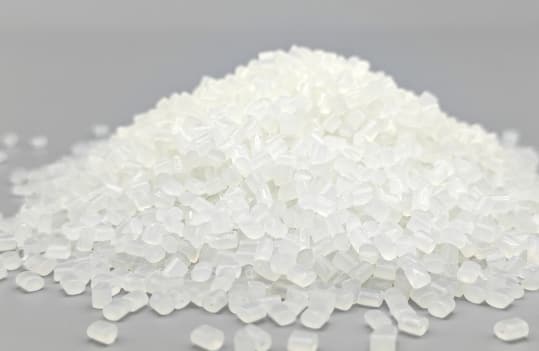
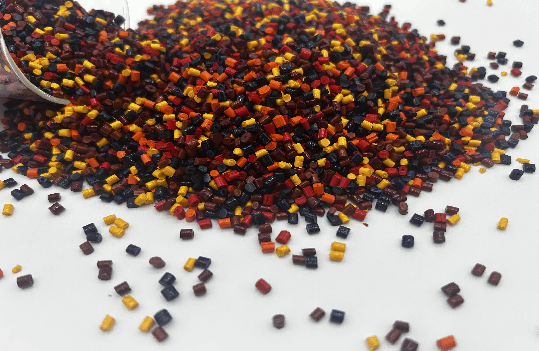
The workers might crush PE into fine powder or granules. When the dust reaches a certain concentration in the air, an ignition source (such as static sparks or open flames) would occur a violent dust explosion.
Static Charge Accumulation
As mentioned above, polyethylene might trigger a risk of dust explosions. PE is highly susceptible to generating and accumulating static charges during friction, conveying, and mixing. These static charges are potential ignition sources to dust explosions or other flammable materials.
Slipping Risks
In daily operating, it is quite easy to ignore that spilled PE particles can cause slips and falls.
Solid PE: Chemically, polyethylene itself contains very low toxicity. In addition, PE does not produce carcinogens or reproductive toxins. Physically, PE dust might cause mild mechanical irritation to the eyes and respiratory tract.
Heated/Burning PE: Pay special attention! Molten PE can cause severe thermal burns. If it burns incompletely, it will decompose and release irritating fumes and harmful gases (e.g., carbon monoxide, unburned hydrocarbons). Those gases can irritate the respiratory tract if we inhaled.
Due to PE’s chemically stability, it is resistant to bio-degradation. Therefore, improper disposal of PE waste will leads to,what we called, the well-known "white pollution."
Only PE polymer itself is typically not classified as a hazardous component. However, in common industrial production, PE products almost always contain various additives or pigments, such as:
Antioxidants
Slip/Anti-block Agents
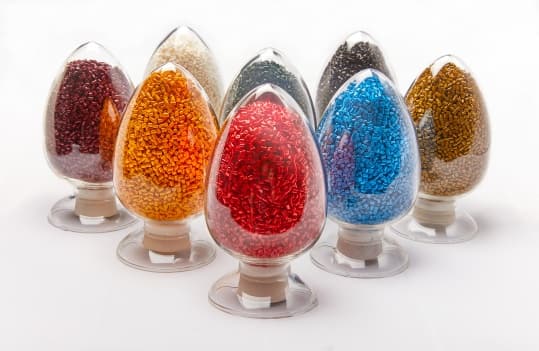
Colorful pigments
Although these additives enhance product performance, they also introduce us new safety considerations. Their potential health risks during high-temperature processing, still requires us to pay particular attention.
If a fire breaks out, we need to use water mist, foam, dry powder, or CO₂extinguishers.Be careful! We should never spray a high-pressure water jet directly—this can scatter burning plastic and make the situation worse. In addition, when polyethylene is on fire, it will release toxic smoke. So the firefighters must wear breathing apparatus.
For material spills, the priority should be given to preventing dust from dispersing. We need to grab cleanup with non-sparking tools, such as copper or plastic shovels. The compressed air is forbidden for cleaning, as it can generate dense dust clouds that may trigger dust explosions.
When injuries occur, we need to response depending on the specific type of exposure. For the burns from hot material, we should rinse or immerse injured part in cold water for at least 15 minutes before seeking medical attention. If dust enters the eyes, we need flush eyes thoroughly with clean water. In cases of smoke inhalation, the affected person should be moved immediately to fresh air and provided with medical assistance if needed.
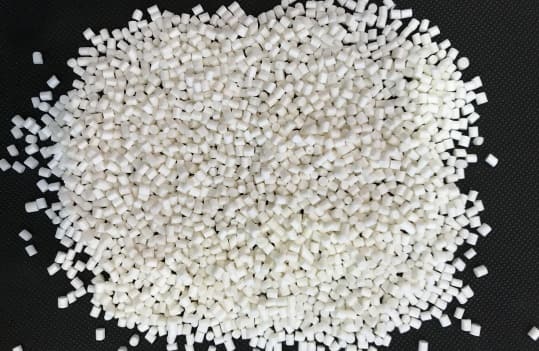
Within industrial settings, equipment should be properly grounded to discharge static electricity,. Secondly, we must remain the workplaces well-ventilated with dust removed regularly. Thirdly the processing temperatures should be carefully controlled to avoid overheating. One small suggestion, we highly recommend explosion-proof electrical devices.
In everyday life, plastic products should be kept away from open flames. Furthermore, polyethylene containers should not be used to hold overheated liquids for extended periods. Last but not least, all discarded materials should be sorted in accordance with recycling guidelines.
Local exhaust ventilation, are generally more effective than personal protective equipment. When such measures are insufficient, PPE must be selected according to risk assessment.
Respiratory Protection: When the dust levels are elevated, workers should wear particulate respirators such as N95 masks. For handling thermal decomposition fumes, a supplied-air respirator (SCBA) is required for them.
Hand Protection: Ordinary work gloves are adequate for ambient operations. To better protect ourselves, heat-resistant and chemical-resistant gloves are essential when handling hot material.
Eye Protection: Since there is a risk of dust or liquid splashes, workers should wear dust-proof goggles or safety glasses.
Body Protection: Workers must wear anti-static clothing. When dealing with large amounts of hot material, additional protective gear such as chemical aprons and sleeves is necessary.
Can polyethylene explode?
A dust explosion may occur if polyethylene dust accumulates in high concentrations in air. But please rest in assurance that intact pellets in normal conditions pose virtually no explosion risk.
Does heating polyethylene release toxic gases?
At excessively high temperatures, the smoke and fumes of burning PE may irritate the respiratory tract. However, adequate ventilation usually mitigates this risk effectively.
For industrial operators, they must strictly follow SDS guidelines and establish comprehensive safe operating procedures (SOPs). Particularly we need pay attention to dust explosion prevention and static electricity control. For general consumers, the key is to keep PE products away from lighting flames and form good habit to dispose of plastic waste properly.
We hope this detailed guide helps you raise awareness to workers’ security and industrial operation, so that we can safely utilize this versatile modern material in any situation.
As a professional polyethylene masterbatch supplier, Standard focuses on reducing risks in PE material applications. Our masterbatches provide high thermal stability, low migration, and are devoid of heavy metals, preventing material degradation, pollution. Products meet strict standard certifications, ensuring safe and stable performance.
Please consult us for the latest pricing.