In most websites, high-density polyethylene is described as the following:
“High-density polyethylene (HDPE) is a type of thermoplastic that has a dense molecular structure, is strong, resistant to corrosion.”
However, if you would like to use all this information to change your life, it’s obviously not enough to know this sentence. Further into the article, I will introduce you to high-density polyethylene in every detail, including its properties and applications.

From a physical perspective, the core reason why HDPE is widely used to replace other plastics lies in its excellent balance between strength, weight, and impact resistance. The comparison table below visually illustrates the differences between HDPE and common plastics:
| Performance | HDPE | PVC (Polyvinyl chloride) | PP (Polypropylene) |
|---|---|---|---|
| Density | 0.94-0.97 g/cm³ | 1.38 g/cm³ | 0.90-0.91 g/cm³ |
| Melting Point | 120-135 ℃ | 100-260 ℃ | 130-171 ℃ |
| Impact Resistance | High | Middle | Middle |
| Stability | Excellent | Good | Middle |
As can be seen in the above table, if you’re facing a stable and impact-resistant condition, HDPE would be a better choice. It is specifically flexible and not easily broken, even at very low temperatures. This makes it one of the most widely used resin types.
In outdoor environments, HDPE with a proper formulation (adding UV stabilizers, antioxidants, etc.) exhibits excellent weather resistance and UV protection, which means it has a longer lifespan and costs less in the long term.
Have you ever wondered why there is a trend to buy high-density polyethylene outdoor furniture, high-density polyethylene patio furniture, and high-density polyethylene Adirondack chairs instead of traditional wooden or metal outdoor furniture? That’s because people can confidently place HDPE furniture directly in their garden, patio, and public spaces. Even after a long time of exposure to sunlight and rain, it doesn't require the same frequent and complex maintenance as metal or wood.

HDPE is also very flexible when it comes to the process used, allowing it to be used in standardized manufacturing or customized manufacturing.
Welding allows high-density polyethylene pipes to be joined with pipe fittings, thereby creating a complete system for either water supply/ drainage or industrial fluid transport; When it comes to sheet materials, high-density polyethylene sheets can be cut, drilled, and processed into cutting boards or panels. With the appropriate high-density polyethylene adhesive such as structural acrylic adhesive or modified polyurethane adhesive, it can be assembled tightly.
Different types of HDPE products solve different practical problems. Based on my statistics of the most common HDPE applications, the following is a summary of five main application scenarios that you may most likely need.
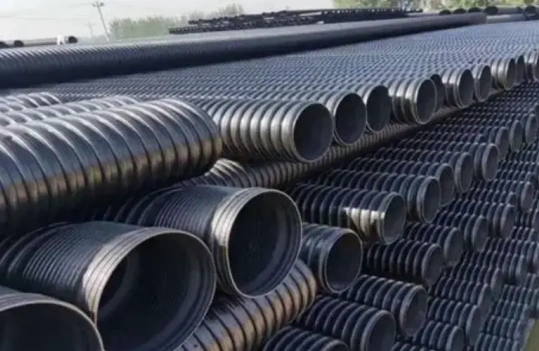
In the piping industry, the use of high-density polyethylene pipes and tubing has become common in most projects. From providing water to agricultural irrigation and sewages, HDPE pipes are known for their anti-corrosion property, flexibility, and easy installation.
By processing the pipes, various sizes of HDPE are made to fit the capability of withstanding different pressures, and the use of corrugated high-density polyethylene pipes in drainage projects.
Polyethylene high-density sheet is very common in industrial environments, especially where abrasion resistance, water resistance, and easy cleaning are required.
While high-density polyethylene cutting board is widely used in the food processing industry, not only because it does not absorb water, but also because it is not prone to structural cracking after long-term use.
The benefits of high-density polyethylene furniture are realized after a few years of usage.
For example, it won't decay if it comes into contact with water, unlike other furniture made of timber. And it won't rust like other metals either. Whether it is outdoor furniture or Adirondack chairs, its resistance in the outdoor environment proves to be a great money saver in terms of repairs and replacement.
| Material | Average Lifespan | Maintenance Conditions |
|---|---|---|
| HDPE | 15–25+ Year | Basically, no maintenance required |
| Metal | 10–25 Year | Rust prevention treatment is required; lifespan is shorter in humid or coastal environments. |
| PP | 5-15 Year | UV degradation is obvious, making it prone to cracking and fading. |
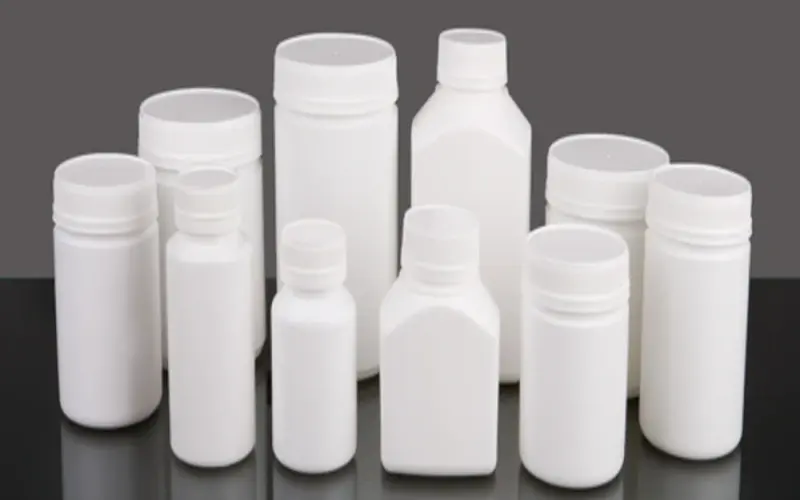
High-density polyethylene containers are also commonly found in the chemical, food, and logistics industries.
The reason is quite simple: not only do these HPDE containers can ensure safety due to their strength, but they also have a relatively low density that could make transport lighter and more efficient.
Besides the common uses listed above, HPDE application can be found everywhere in your life.
High-density polyethylene boats also have their uses in water recreational activities and small boat markets owing to their ability to resist impact and water.
The bubble wrap used you always meet when unpacking a package is made of high-density polyethylene foam, it is used as a buffer to protect and prevent the item from damage when moving.
If you are confused about how to select and use HDPE products, let me show you some of the core features that buyers value most in practice:
This is often the most important reference indicator. Pressure-bearing pipes, structural panels, and long-term outdoor furniture all have specific requirements for the density, thickness, and even molecular weight of HDPE. And usually higher density HDPE is more wear-resistant and impact-resistant, enabling it to withstand long-term loads or water pressure.
Material standards will vary depending on the application scenario—for example, for cutting boards in the food processing industry, wear resistance is more important than pressure resistance.
Incorrect dimensions will cause system malfunctions. Pipe diameter, wall thickness, and plate length and width must all match the overall design. It is recommended that you prepare all necessary data, including pressure, flow rate, and installation space, before selecting a model.
As a side note, the differences between HDPE corrugated pipes and plain pipes will also affect the size selection—corrugated pipes are usually larger, more suitable for drainage and underground pipelines, while plain pipes are relatively smaller and suitable for municipal water supply or industrial transportation.
The process of HDPE handling directly impacts construction and maintenance activities. Do you require welding, hot bending, mechanical cutting, or just adhesive? Each process has specific demands for the material thickness and flexibility characteristics. Additionally, when considering additional processing like drilling or grooving during a later stage, it would be ideal to verify the material tolerance for such processes.
HDPE exhibits significantly different performance characteristics in various environments.
For outdoor use, it has to be resistant to UV degradation, since if exposed to direct sunlight for any long period, otherwise it can easily become hard and broken; in the chemical industry, it has to be resistant to chemical corrosion; in the food and respective industries, it should be food-grade/drinking water grade.
High-Density Polyethylene (HDPE) is commonly used not because it is the “cheapest” or the “most useful,” but because it is adequately stable and maintainable in the long run.
Whether it is high-density polyethylene pipes, sheets, containers, furniture, or panels, high-density polyethylene is often an adequate option for the given conditions.
Indeed, and this is quite frequent.
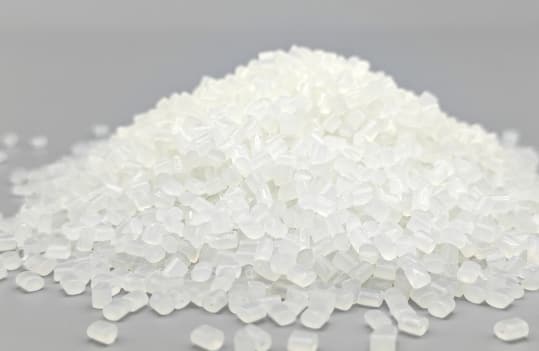
The masterbatches of HDPE are comprised of pigment or functional additives like UV stabilizers, antioxidants, or flame retarders concentrated in granular HDPE. Such masterbatches can be readily added to the extrusion, injection molding machines, or the blow molding production system in proportion to the required amounts to accomplish pigmenting or adding other properties, without undermining the strength properties of the HDPE.
It should be noted that one kind of color masterbatches cannot be used for all plastic materials. Different plastics will require separate color masterbatches, and products specifically designed for HDPE should be used to mix evenly and maintain their process stability.
Yes, but in actual application, check the material grade first.
High-density polyethylene that complies with the food-grade criteria or that is specified by the quality of drinking water is widely applicable in water piping, containers, or even cutting boards. Never can one say it’s safe simply because it’s HDPE.
Yes. HDPE is one of the materials with an extremely mature recycling system.
After being properly processed, HDPE can be recycled into boards, containers, and even outdoor products; this is why HDPE is currently being used in various eco-protecting projects.
Whether you produce HDPE films, yarns, pipes, containers, or injection-molded parts, understanding the properties of HDPE is very important.
At Standard Polymer, we offer customized color and functional masterbatch solutions for various HDPE applications.
Our masterbatches increase color stability and has no effect of the physical properties of the final product performance.
Functional masterbatches include: UV resistance MB, anti-slip MB, antistatic MB, and processing aids MB.
If you are not sure about which masterbatch to use for HDPE, including the type of carrier, let down ratio, price, or relevant regulations, please feel free to contact us. We will recommend the most suitable masterbatch solution for you.
Come to Standard Polymer get free samples and quotation.