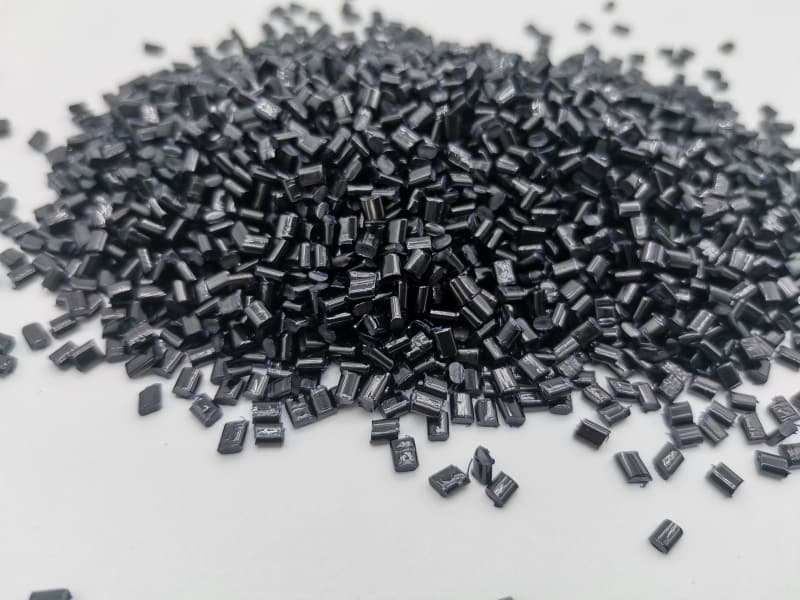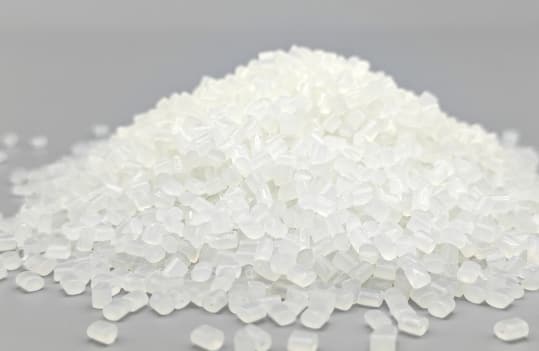
If you have been in the business of purchasing PP resin or PE resin in recent times, you have probably noticed that prices have increased, quotations have been put on hold, and some orders have even been canceled.
If you are in purchasing, you might be wondering why there is an increase in PP and PE resin prices due to the conflict between the U.S., Israel, and Iran.
The answer is actually very simple — plastic is part of the oil industry chain.
When there is conflict in the Middle East, it does not only affect oil prices, but it also has an impact on logistics and transportation, and that directly affects polypropylene (PP) and polyethylene (PE) prices.
According to recent market reports, oil prices have risen to $100 per barrel, and there has been an impact on the petrochemical supply chain. Many refineries and chemical plants have been forced to reduce production or even shut down.
In this article, I’ll take you on a journey to understand exactly what’s happening, from a sourcing standpoint:
· Why are PP prices and PE prices amplified by conflict
· Why are many buyers starting to buy PP resin from China
· Where plastic prices are headed in the next six months
· What plastics processors can do to protect themselves from these price swings
We’ve explained the entire supply chain, and provided some real-world context. But the reality is, the impact of conflict on resin prices is more complex than most people understand.
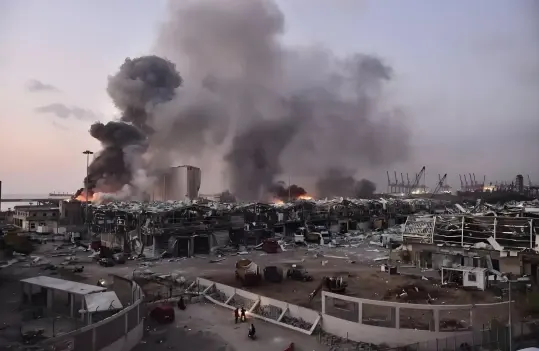
The simple answer:
PP and PE prices are directly related to oil prices. This is because the fundamental materials for these resins, Ethylene and Propylene, are derived from either oil or natural gas.
So, in short, plastics are essentially “solid oil.” When conflict affects the oil industry, it’s no surprise that plastic prices increase.
The full supply chain for PP and PE:
The reality is, most buyers understand the plastic resin price, but very few understand the full supply chain:
Crude Oil→Naphtha/Natural Gas→Ethylene/Propylene→PP/PE Resin→Plastic Products
If any link in the chain is disturbed—raw materials, energy, transportation, manufacturing—resin prices fluctuate. Research has also shown that an increase in the prices of crude oil directly affects the prices of polyethylene.
So, if conflict erupts in the Middle East, the prices of PP and PE tend to fluctuate. But the question is, why is this time different from the others?
There are five reasons.
The first to be affected by conflict in the commodity market is oil prices.
For example, if conflict has just been declared in the Middle East:
· Oil prices have gone over $100 a barrel
· Energy prices are in a state of turmoil
And the most significant raw material for plastics is oil.
Cause:
Ethylene → PE
Propylene → PP
Since both PE and PP resins derive from oil and gas cracking, if the prices of oil and gas increase, the prices of PE and PP resins will also increase.
At the end of, prices for both PP resins and PE resins are inevitably tied to increase.
In fact, there is a well-known adage in the industry:
Oil drives plastics.

It's easy to forget how much PP and PE come from the Middle East. Some of the major players in the region include:
Saudi Arabia
UAE
Qatar
Iran
These are some of the biggest petrochemical plants in the world. And when conflict breaks out in the region:
Plants shut down
Supply dries up
Panic buying ensues
The recent situation: PP futures hit the daily limit up.
As Middle East supply dwindles and China's imports are impacted, this will create a classic market situation: supply dwindles + panic buying = prices go through the roof.
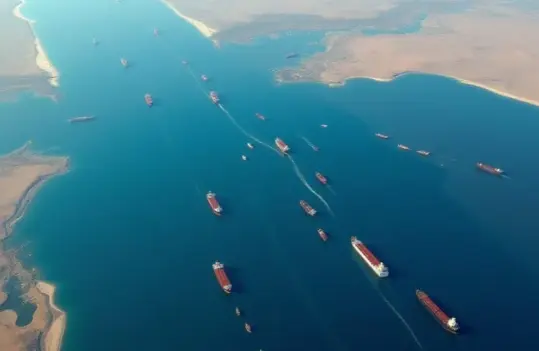
But this is where the real risk lies:The Strait of Hormuz
The Strait of Hormuz is one of the most important oil shipping lanes in the world. It carries 20% of the world's oil.
When conflicts arise in the region, which threaten the strait:
Tanker traffic is disrupted
Freight rates go through the roof
Insurance costs skyrocket
But more seriously, these are some of the major export routes for PE and PP.
When flight risks go up, typically:
Shipments are delayed
Quotations are suspended
Repricing occurs
All of these cause prices to go up in the market.
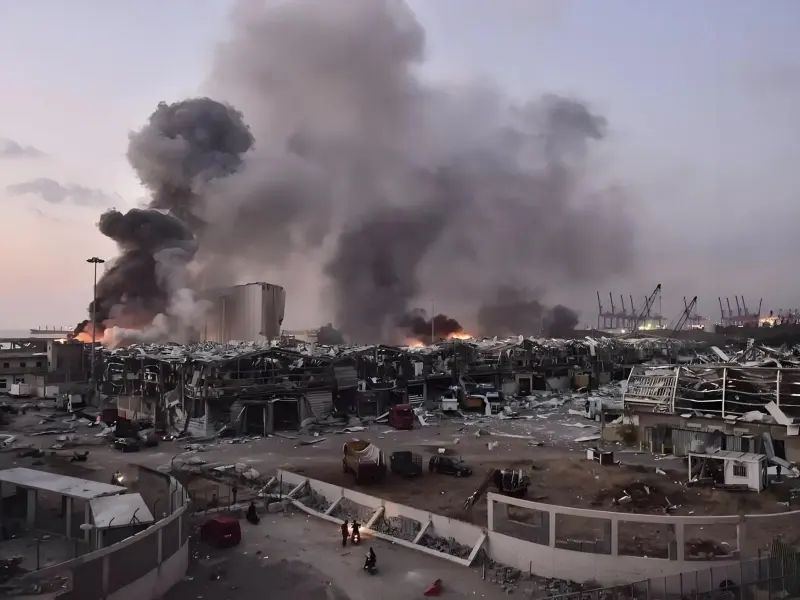
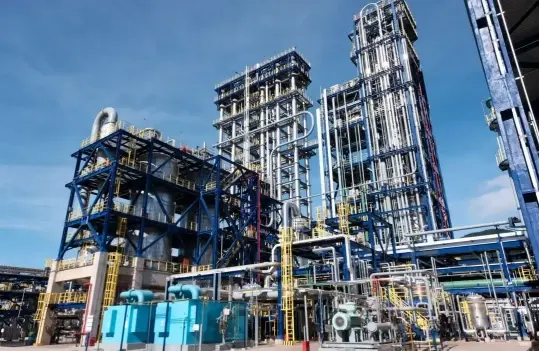
The Conflict will also lead to another knock-on effect: petrochemical plant shutdowns.
Recent reports indicate that refineries and petrochemical plants in the Conflict zones are:
· Cutting production
· Shuttering plants
· Declaring force majeure
These are due to various reasons such as crude oil shortages, increased energy costs, or safety concerns.
When major petrochemical plants are shut down, there is an immediate supply shortage felt in the petrochemicals market for PP and PE worldwide.
Prices are naturally rising.
There is another aspect that many people fail to take into consideration: Market Psychology.
When a conflict starts:
· Buyers are rushing to secure material
· Sellers are withdrawing from the market to wait for prices to increase
· Some transactions are being stopped
Reports are emerging that many PE and PP deals are being suspended entirely. As such, the petrochemicals market has entered its normal 'waiting for price increases' phase.
But things are beginning to change.
Purchasing managers have probably done the same thing recently:
buying PP resins from China. Why?
According to our industry experience, there are four major reasons.
China now enjoys:
The largest petrochemical production capacity in the world,
with a lot of coal chemical routes not entirely relying on the Middle East.
Therefore, even in the event of a conflict in the Middle East,
the supply of PP resins in China will remain stable.
Most of the Middle Eastern countries have relied heavily on exporting PP resins.
After the conflict broke out,
lthe freight charges increased
lthe insurance premium increased
lthe supply decreased
The price of PP resins in China's domestic market remains relatively stable,
the price of PE resins in China's domestic market remaining relatively stable,
which is very attractive to overseas customers.
China's advantages:
lComplete plastic industry chain
lTraders' inventory
lLogistics
Therefore, some customers even choose without hesitation:
PP resin China supplier, to decrease the risks.
This is part of a larger pattern. Over the past couple of years, more orders are being pulled out from the Middle East and into China. Industries such as packaging, films, and injection moldings require consistent supplies. And right now, China is providing that.
Based on our current information, we are able to offer our customers three judgments on possible trends in prices over the next 6 months.
If the conflict does continue, then the following is possible:
Increase in oil prices
Increase in PE prices
Increase in PP prices
This is our likely judgment on short-term trends.
Scenario 2: Conflict De-escalates
If the situation de-escalates:
Resin prices will go down
Supplies will be available again
However, this will take 3 to 6 months to happen.
If the Middle East continues to be unstable:
Supply chains will shift away from the Middle East
More people will be looking to China and Asia for PE and PP
Based on our experience working with many plastic product manufacturers, I would offer the following four pieces of advice to procurement managers.
Many people only think about: today's PP price. But what's really important is:
crude oil price, monomer price, freight cost, and supply risk.
Don't rely on a single region. Develop a balanced portfolio:
· China Suppliers· Middle East Suppliers· Local Distributors
Redundancy is strength.
In a volatile market, inventory is strength. Many companies are now:
· Buying earlier· Fixing contracts
It's not about buying at a low. It's about buying at all.
If you only see resin markets, you are always late. Purchasing managers should notice:
· Watching crude oil, Ethylene, Propylene instead
They are leading indicators. They are moving first.
Let's quickly summarize:
The logic of how conflict impacts resin is actually very clear:
Conflict → up Oil Price → up Petrochemical Price → up PP & PE Price
However, there are 4 contributing factors:
· Reduced petrochem supplies from the Middle East· Increased shipping risk· Reduced petrochem plant operations· Panic buying
And ultimately:
· Price Volatility of Plastics Worldwide
If you're running a:
If you are: a plastic products factory, a packaging factory, a film factory, or an injection molding factory
Here are two steps to take today:
Review your PP and PE supply sources
Ensure that you have at least 2-3 reliable sources
Because in a world of geopolitical risk, stable supply trumps price.