A Practical Guide to HS Codes for Masterbatch
Choosing the right HS Code (Harmonized System Code) is critical for masterbatch manufactures to smoothly pass customs clearance and accurate tax classification. This guide will help clarify how to classify different types of masterbatch under HS codes.
First Step: Find the Right Categories of Your Masterbatch
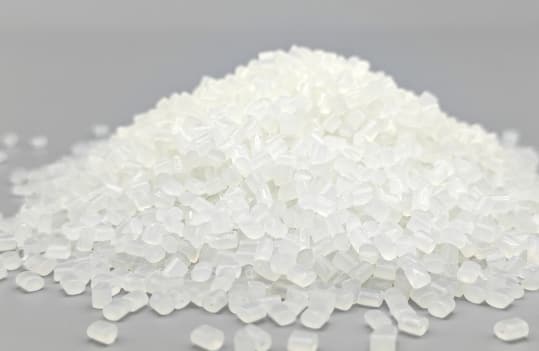
Based on functionality, masterbatch is generally divided into three main categories: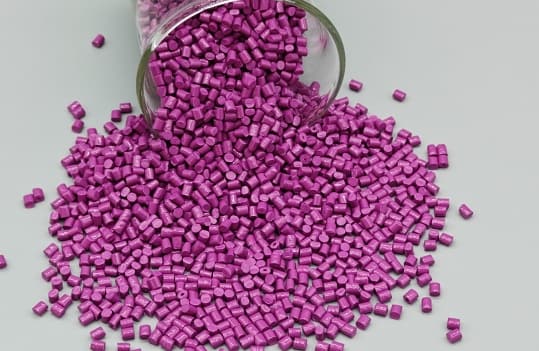
→ Color Masterbatch
→ Functional Additive Masterbatch
→ Filler Masterbatch
Common HS Codes for Masterbatch (General Reference)
Category | Typical HS Code |
PE-based Color Masterbatch | 39011000 |
PP-based Color Masterbatch | 39021000 |
TPU Masterbatch | 39095000 |
PA (Nylon) Masterbatch | 39081090 |
High-Additive Functional MB | 38249999 |
CaCO₃ Filler Masterbatch | 38249999 / 25171000 |
Note: The actual classification may vary depending on the product composition and local customs policies.
Three Key Factors to Determine the Correct HS Code
① Main Component Ratio
② Primary Function
③ End-use and Processing Method
Quick Q&A: Common Misunderstandings

Q1: How about the black masterbatch uses a PE carrier?
A: For low ratio of pigment or additives, use 39011000.
Q2: Should flame retardant masterbatch go under 3902?
A: Not typically. Most of Flame retardant additive masterbatch(over 50% active ingredients) should be considered under 38249999.
Q3: What about calcium carbonate-based filler masterbatch?
A: For general use filler MB, 38249999. For dominant CaCO₃component, 25171000 (mineral)
Pro Tip: Consult Your Freight Forwarder Before Shipment
To avoid unnecessary risk or delay, always consult your freight forwarder before shipping with Product formulation or component ratios, Technical data sheets (TDS), and Intended application (e.g., injection molding, film blowing, fiber spinning)
If you’re not sure about how to classify your masterbatch, our technical and trade team is here to help.