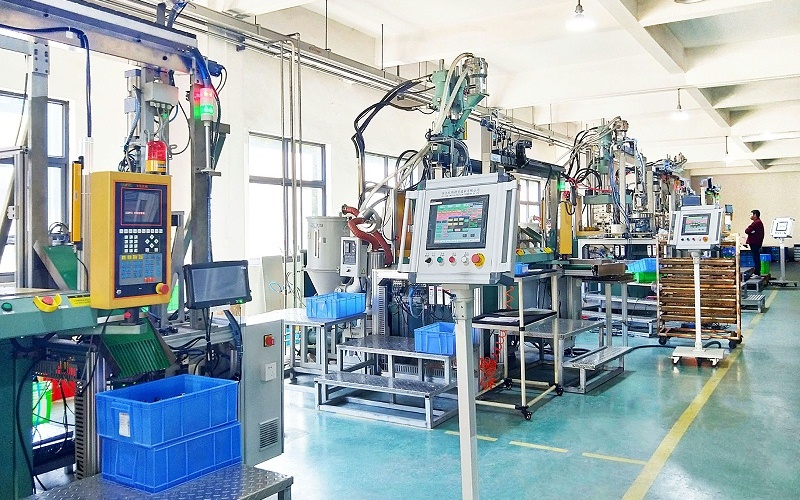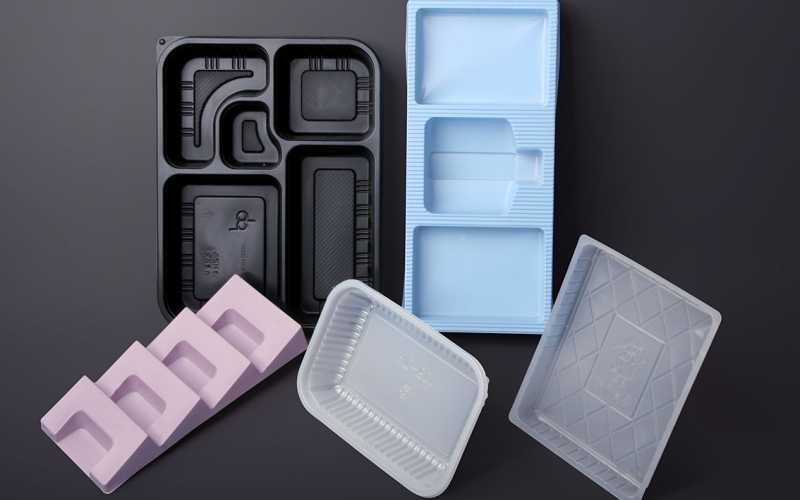
The plastic processing operators are in charge of operating and adjusting plastic processing machinery. In addition, they guarantee the quality standards of products, the stability of equipment operation, and regularly carry out routine maintenance work.
The participation of this position is essential for the factory equipment to produce qualified products.
According to the different equipment they operate and the workflow, plastic processing operators can be broadly divided into four sub-categories:
| Job | Plastic Processing Equipment | Product | Features |
|---|---|---|---|
| Injection Molding Operator | Injection molding machine | Mobile phone cases (TPU, TPE), Automotive parts (PP, PE, ABS, PA, etc.), Small appliance casings (PC/ABS, PC, etc.). | Fast production pace Large potential for technological growth Wage increases are significant |
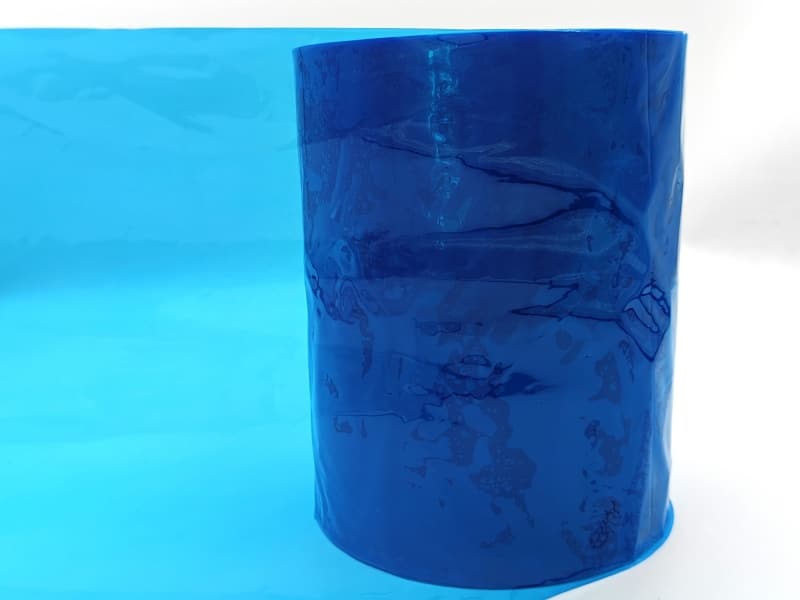
| Extrusion Operator | Extruder | Pipes (PP, PE, PA, etc.), Films (PP, PE, TPU, TPE, PC, PET, etc.), Sheets (PP, PE, PC, PET, etc.), Cable sheaths | Continuous production equipment The rhythm is relatively stable Easier to get started |
| Blow Molding Operator | Blow molding machine | Bottles, buckets, Cosmetic containers made of PE, PET, ABS, PC, etc. | High technical content Those with strong equipment adjustment skills can earn very attractive salaries. |
| Recycling Operator | Sorting, Washing, Grinding, Extrusion & Pelletizing machine | PP, PE, PET, and other recyclable plastics | With the widening international policy gap More complex equipment leads to greater salary increases |
Next, I will provide you with more detailed information based on these four main categories.
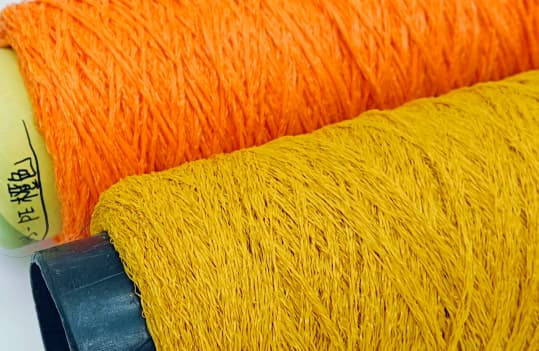
When you start researching various plastic process operator jobs, you'll find their workflows is very different. So, what's the typical day in different workshops?
To help you truly understand this profession, I have combined my actual factory experience to take you through a day in four different positions. These visuals will be much more relatable to the daily work life you're curious about, rather than just theoretical explanations.
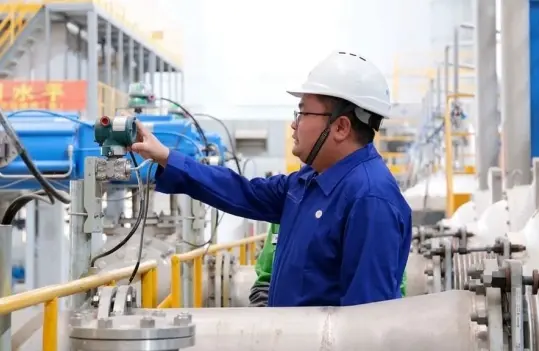
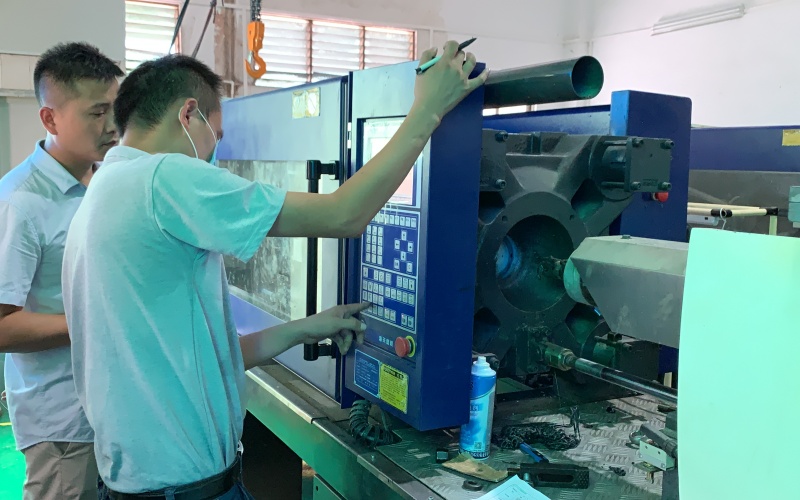
Walking into the injection molding workshop, you will hear the injection molding machines opening and closing-one day in the life of an injection molding operator: busy yet monotonous.
You begin by checking whether the mold is clean, the cooling water flows smoothly, and the raw materials are dry. Then the machine parameters were set: temperature, pressure, and injection speed.
In injection molding, the differences in material flowability are critical. For example, PP has good flowability and is the most commonly used raw material; ABS has poor flowability and requires more restricted temperature control.
Once production stabilizes, your work will enter a simple cycle: machine patrol—inspection—recording—simple cleaning. But it is precisely in this rhythm that you can quickly learn the process logic, which is why the injection molding position is considered one of the fastest ways to improve machine adjustment skills.
The principle of injection molding is speed, while that of extrusion is stability. Once an extruder is started, products will be continually manufactured in a long line, including various pipes, sheets, films, and so on.
The day of an extrusion operator starts by feeding the material, checking the temperature of each heating zone to make sure that the plastic is in a melt state and extruding smoothly.
Then, the dimensions of the product should be measured regularly. But before that, you should understand the raw materials like PP, PE, and PA to measure the pipe; as for film thickness, the properties of its material like PP, PE, TPU, TPE, PC, and PET, is also important, because even a slight difference in temperature or pressure will lead to dimensional variations, which need quick evaluation and fine adjustments.
Extrusion work requires all the attention and observation skills. This is a very common job in Ohio or Macedonia, an area with much manufacturing industry. For many, an extrusion workshop is a "long-term, stable" job option.
Blow molding operators need a stronger technical intuition.
Your day usually begins with checking the preforms: Is the wall thickness eccentric? Is the material flow uniform? These details directly affect the quality of the finished product.
Common blow molding materials include PET and HDPE, which are the most common polymers used by manufacturers in the production of different types of bottles through the process.
In this blow-molding task, one should watch the products while listening to the "breathing" of the machines. Be careful with abnormal air pressure, uneven cooling, and eccentric billet tubes, these problems can all occur suddenly and require a high degree of focus to detect them in time.
However, precisely because of the higher technical threshold, plastic processing operators in the blow molding field usually have higher salaries and a more promising career ceiling than other positions.
Compared to other plastic processing job, the work of a recycling line is more like "monitoring the health of the entire system." It doesn't require much physical strength, but it does demand a lot of patience.
You start by checking whether waste plastics are mixed with metal, oil, or moisture, and then set the temperature parameters for the washing line and extruder.
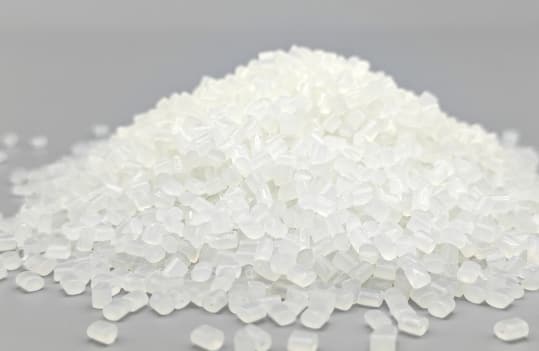
Your work includes everything from crushing and washing to the melt extrusion and re-granulation, needing control of temperature, impurities, and pressure to assure that color and gloss remain consistent in each granule.
Workers in recycling should know the distinction between types of waste: Polymers like PP and PE have low melting points and are suitable for conventional recycling, whereas ABS and PA(nylon) are easy to absorb water, so they require enhanced drying.
For many, recycling is a job that "grows more knowledgeable and more valuable with experience." The more experience you have, the more emergencies you can handle on your own and the more likely you are to be promoted to a higher-paying machine operator position.
Among the new colleagues I've mentored, those who stayed on were mostly those who had researched the actual conditions in the workshop before joining. You don't need to do much preparation; just make sure you can accept the following:
① Workshop Temperature and Noise
The workshops of the injection molding and blow molding are a bit warmer than offices and inevitably noisy. Sometimes, wearing earplugs, gloves, and protective glasses is necessary.
② Working Methods
The work mainly involves standing and repetitive tasks plus quality inspection, rather than physical labor.
③ Equipment Knowledge
Before entering the industry, beginners need to know only a few types of commonly used equipment, such as the most basic injection molding machine, extruder and blow molding machine; as well as general cooling systems, measuring tools, (calipers, weighing scales) etc.
Moreover, in order to see if this job is suitable for you, you also need to consider whether you can adapt to shift work, the speed in the workshop, etc.
Plastic processing jobs are suitable for newcomers because most skills can be learned in a short period of time.
Factories typically provide 1–4 weeks of paid training, focusing on three types of skills: basic operation, basic quality control (QC), and basic equipment knowledge.
Below is a detailed explanation of these three skill categories:
| Skill | Mastering Time | Specific steps |
|---|---|---|
| Basic operations | 3–7 days | Pick up the part from the machine; Perform a basic visual inspection; Determine whether the product is qualified according to the standard. |
| Basic quality inspection | 1–2 weeks | Use calipers to measure dimensions; Understand the properties of common materials such as PP, ABS, and PE; Identify various defects in machine production. |
| Basic equipment knowledge | Full process | Understand the terminologies, Understanding what common alarm lights mean. |
After being a basic operator, with the improvement of skills, you will be a skilled operator entering the technical growth stage: From initially managing one to three machines, you will begin to be able to independently handle simple anomalies, such as material spillage, insufficient cooling, etc., while learning about the flowability and molding characteristics of different materials (PP, PE, ABS, etc.), resulting in a significant increase in income.
If you're willing to further your studies in machine tuning, this will be the path to the fastest salary jump. You'll learn more complex parameter settings and resolve more complex defects.
At the same time, switching from traditional fields such as blow molding and injection molding to emerging recycling can also provide significant salary growth potential.
I'm sure you're also very interested in the salary for this job. Just like other technical jobs, if you only do basic positions, the salary is relatively stable; but if you take the "technical route," your income will increase significantly.
Based on recruitment data from plastic manufacturing states such as Ohio, Indiana, and Wisconsin in the United States, the salaries for various positions are as follows:
| Position | Salary Range |
|---|---|
| Basic operator | $15–$20/hour |
| Lead/Technician | $22–$28/hour |
| Setup Technician / Process Technician | $30–$38/hour |
If you're at the technical position, your salaries can easily exceed the annual range of $50,000–$70,000. As we briefly mentioned above when we discussed the career path, recycling is also considered a well-paying position.
Plastic processing operator is a stable, promising, and accessible technical role. With the diversification of industry materials, together with continued growth in high-performance resin demands like TPU, TPE, PC, and ABS, you can develop a long-term and reliable skill if willing to invest a couple of months in hands-on practice and learning.
Now, if you are ready to get into this industry, this is the best time.
The high school or vocational school diploma is an added advantage, though not a strict requirement.
From our experience communicating with many manufacturing companies, the qualifications that factories value most are: having a sense of responsibility, stability, and being able to learn the basic operation of equipment.
Most companies offer 1–4 weeks of paid training.
According to data from multiple manpower dispatch agencies, the training period for entry-level operators in injection molding, blow molding, and extrusion positions is generally 2–4 weeks; if they want to learn mold changing and machine adjustment, they need 3–6 months of experience.
Basic operations can be mastered very quickly; as long as safety procedures are followed, one can usually get started very quickly.
It is a great fit, and in some positions, women make up a high percentage, exceeding 50%.
The reason is simple: many plastic processing jobs require not brute force, but rather meticulousness, stability, and a tendency to follow procedures. This is also why female employees excel in quality-related positions.
Standard has nearly 20 years experience in masterbatch research, development, and production experience, and is equipped with a professional technical team that can provide you with quality, stable, and reliable raw materials.
• Processing Stability: Our masterbatches have excellent dispersion and thermal stability, helping your operators maintain stable equipment operation more easily and reduce production costs.
• Technical Support Services: We provide customized solutions. Our technical team can provide targeted support to help you solve technical problems during the production process.
Welcome to contact us for free access to the samples or technical advice you need. Let Standard become your trusted partner.