
What Is Color Masterbatch? A Complete Beginner’s Guide
What Is Color Masterbatch? A Complete Beginner’s Guide
What Is Masterbatch Made Of?
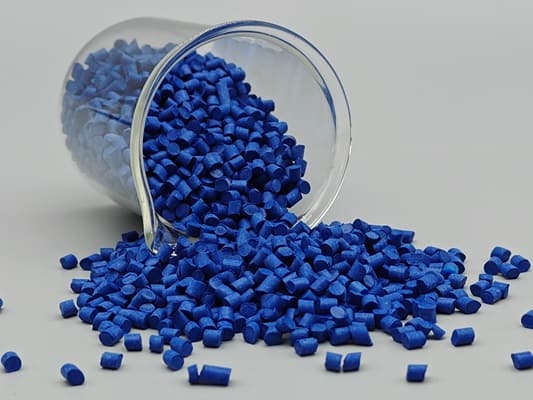
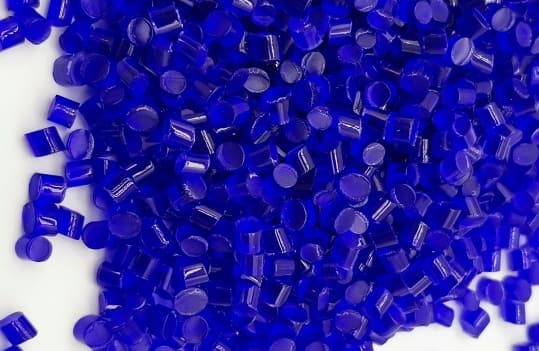
Masterbatch meaning: a concentrated mixture of pigments and/or functional additives into a carrier resin. Typically, it contains 10%–70% pigment or additive by weight, along with dispersants or processing aids. The primary function of masterbatch is to color plastics or impart specific properties during plastic processing.
Based on form, masterbatch is generally classified into:
Liquid masterbatch
Known for precision in dosing
Solid pellet masterbatch
Offers high versatility and easier handling
Who Needs Colour Masterbatches?
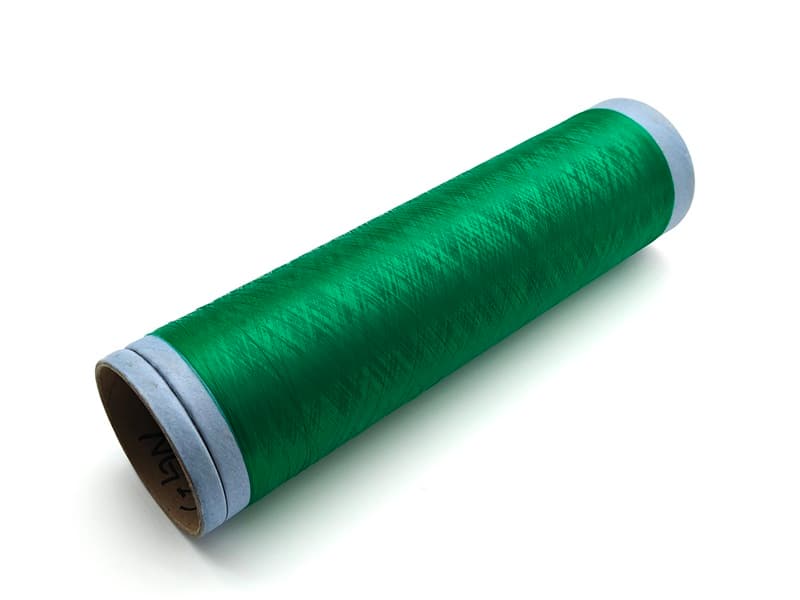
Colour masterbatchare used in all kinds of colored plastic products, including non-woven fabrics, films, artificial turf, children's play equipment, blow moulded bottles (e.g., shampoo, detergent, etc.), injection molded products, and automotive parts. These plastic manufacturers can turn to Standard Polymer for 100% custom color solutions. To closely match our customers' plastic product production scenarios, we offer a comprehensive suite of testing and quality inspection equipment, including injection molding machines, film blowing machines, non-woven fabric machines, artifical truf yarn drawing machines, and tablet presses. This significantly reduces our customer trial times, earning numerous positive reviews.
Common Applications of Plastic Masterbatch
Plastic masterbatch is widely used to color or enhance the plastic performance, key applications include:
Films - cast film, laminating film, biaxial stretch film - BOPP/BOPE film, blown film
Non-woven fabrics - spunbond, meltblown
Sheets - ABS sheets, PC sheets, HIPS sheets, PP sheets, PE sheets
Extrusion - cables, pipes, profiles
Injection molding - Automotive parts, packaging, consumer goods
Rotational molding&Blow molding - Tanks, bottles, containers
How Is Masterbatch Manufactured?
1. Precise weighting:
All ingredients are weighed with high accuracy, with electronic scale error controlled within ±0.01% (equivalent to ±0.1 kg per ton of raw materials).
2. High-speed mixing:
Hot and cold mixing stages alternate (80–120°C) for hot mixing; room temperature for cooling) to eliminate pigment agglomeration.
3. Twin-screw extrusion:
Five-zone temperature-controlled extrusion (120–300°C), ensures uniform dispersion, like to kneading dough under high shear.
4. Pelletizing:
· Underwater pelletizing: Produces smooth, round granules (1.0–3.2 mm)
· Water-drawn pelletizing: Produces cylindrical pellets (2–5 mm)
Key Principles for Selecting the Right Carrier Resin in Color Masterbatch
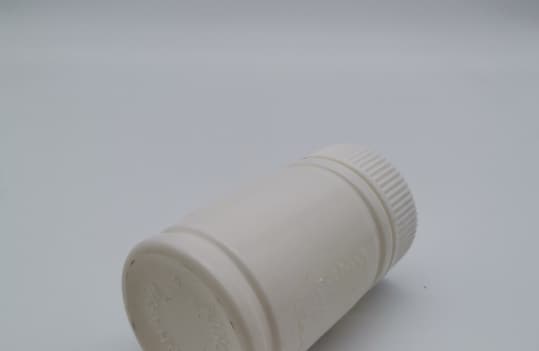
If you would like to achieve universal masterbatch compatibility, you need following the principle of "like dissolves like", the performance is best when the base resin(primary resin) = carrier resin.
However, there are also some universal masterbatch carrier resin, such as:
· Polyethylene (PE): although it is compatible with materials such as PP and TPU
· Ethylene Vinyl Acetate Copolymer (EVA): the application qualification rate in PA6 electronic connectors is 99%
Important tips:
Although PE carrier resin is highly versatile, it must be used for special materials in the following application:
①Optical components, such as PMMA automotive headlight covers
②Food-grade and medical contact materials, where regulatory compliance is critical
③ Engineering plastics for long-term outdoor use, requiring high weatherability and UV resistance
Master Batches Usage Guide
Let down ratio (LDR):
The typical addition rate ranges from 0.5% to 15% depending on color strength:
Feeding method comparison:
Solution | Advantages | Disadvantages | Applicable scenarios |
Premixing | Low equipment investment | Slightly higher risk of color difference | Small batch multi-color orders |
Side feeding | Strong color consistency | Need to be equipped with loss-in-weight weighing scale | Need to be equipped with loss-in-weight weighing scale |
Resin Drying Requirements
Some engineering plastics must be predried to avoid defects like bubbles or poor surface finish:
| Resin Type | Drying Temp | Drying Time | Notes |
|---|---|---|---|
| Nylon (PA) | 80°C | 4 hrs | Moisture <0.03% |
| TPU | 100°C | 2 hrs | Prevents foaming |
| PET | 140–180°C | 4–8 hrs | For clarity and mechanical strength |
Top 3 Advantages of Color Masterbatch Over Pigments and Liquid Masterbatch
1.Superior Dispersion
Pigments are pre-dispersion before production, break up toner agglomeration and improve toner coloring ability.
2.Cleaner Production Environment
Compared with direct use of color powder, polymer colours can reduce workshop dust pollution by more than 70% (EPA data), minimizing operator exposure in the toner and improving workplace cleanliness.
Color master batch has now become the preferred coloring solution for the plastics industryies
3.Faster Color Changeovers
In injection molding plants, color change and cleaning time can be reduced by over 70%, improving overall efficiency.
Have We Missed Anything?
Have you learned something valuable from this article?
Or do you have specific questions about color masterbatch or its usage in your products?
What Standard can do for you
Ready to raise your products from common to uncommon? Partner with Standard.
We stand out with these qualities:
✅️Uniform Excellence: Reliable quality and color stability (ΔE ≤ 0.7) in all batch.
✅️Advanced Dispersion: Using U.S. technology for perfect surface quality and high brightness.
✅️Global compliance: Eco-friendly formulations, meeting strict FDA and REACH standards.
✅️Quick response: Custom solutions and technical support to ensure your success.
✅️Contact us to discuss your needs and create a brighter, more efficient future for your products.
↓ Leave us a message — we'd love to hear from you.