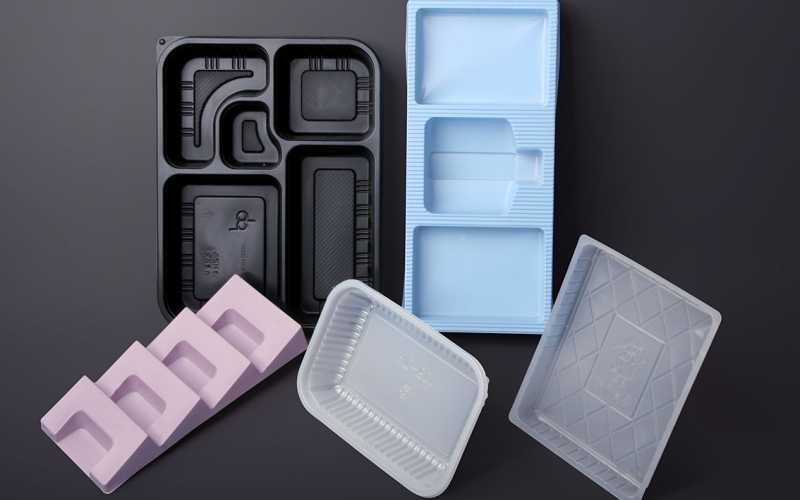
Whether it's the toothbrush you use, the bottle you drink your Coca-Cola from, or the fashion clothes you wear while reading this article, many things we use every day are connected to a substance cannot be seen but exists everywhere—polymer.
Understanding this common material helps us know the world around us better. Besides, you can be smarter and wiser when choosing high-quality yet eco-friendly materials for your product or personal use with the understanding of it.
This article will take you from the basics, learning about the characteristics, types, and use of polymers in our everyday life.
content
1 What are polymers? — The simplest explanation
2 Core Characteristics of Polymers
2.3 Superior Chemical Resistance
2.4 Excellent Electrical Insulation Properties
4 Common Applications of Polymers in Daily Life
4.1 Everyday product and Packaging
4.2 Industrial and Construction Materials
4.3 Medical and Health Industry
4.4 High-Performance and Technological Applications
4.5 Some common applications of polymer
Q1: Are all plastics polymers?
From a view of chemistry, a polymer is a long chain structure formed by many small molecules called monomers. They linked one by one through chemical reactions.
For a clearer understanding, you can imagine polymers as a string of "pearl necklaces," and each monomer as a pearl in the necklace. When they are linked together, they make a strong, stable, and highly flexible structure.
Although you may not know, you’ve surely seen many common polymers in your daily life, such as plastics, natural rubber, DNA, proteins, and more.
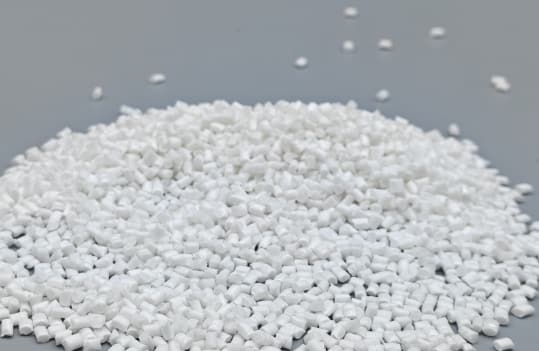
Polymers are usually lighter than metals or ceramics, however, they can take a lot tension and pressure. Compared with those substances, polymers can provide lower shipping costs, better portability, and more comfort when you use the product. That’s why your grocery bags are so light yet can hold so much.
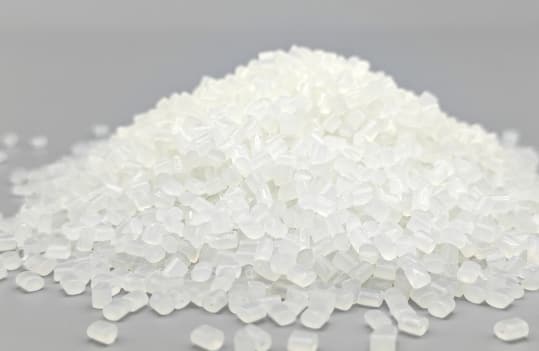
Certain polymers can be melted, stretched or blow-molded into various shapes when heated. It is for this reason that many polymer products, such as plastic bottles and packaging materials, can be recycled.
Polymer molecules are tightly bonded by covalent bonds, that make polymers be resistant to corrosion by water, acids, alkalis, or salts. Because of this stability, containers made from polymers do not react with food. That’s why polymer are widely used in food packaging.
Most polymers are non-conductive because their molecules, monomers, lack free electrons. (This is because the covalent bonds we have talked about earlier, and it is also why they are so tough and strong.) This characteristic makes polymers can play an important role in the electrical and electronics industries to be perfect conductors.
Polymers can be classified in several ways, let’s get to know the most common ones, which is classified based on their source and physical properties:
By Source
Natural Polymers | Found in nature, such as proteins, rubber, and cellulose. |
Synthetic Polymers | Artificially made, such as plastics, nylon (PA), and polyester (PET). |
Natural polymers are found in nature but often less durable, while synthetic polymers are more strong and easier to shape.
By Thermal Properties
Thermoplastic polymer (TP) | Soften when heated and harden when cooling, such as polyethylene (PE), polypropylene (PP), polyethylene terephthalate (PET), polyamide (PA), and polycarbonate (PC), etc. |
Thermosetting polymer (TS) | Cannot be reshaped by reheating once formed, such as epoxy resin. |
Thermoplastic Elastomer (TPE) | Has excellent flexibility, such as rubber and thermoplastic polyurethane (TPU) |
Different polymers have different behaviors when exposed to certain condition like heat, pressure, or water. Those varieties make polymers can be used in various fields.
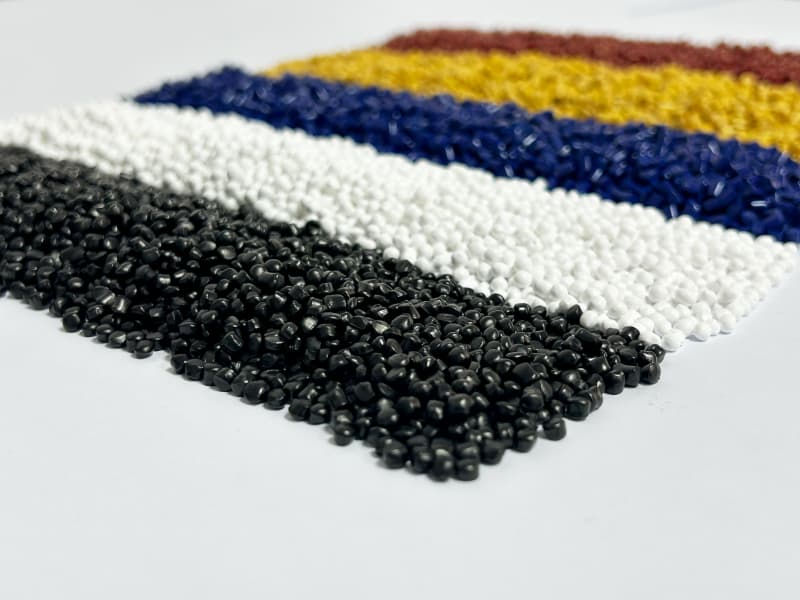
Due to their excellent characteristics, polymers are greatly used across our daily life and industrial field. From daily items to high-tech laboratory equipment, they are literally everywhere. Let’s uncover where you’re using polymers right now.
Have you ever wondered what our everyday things like the packaging of snacks or bottles of drinks is made of? Yes, they are made exactly of polymers.
Some polymers like polyethylene (PE) and polypropylene (PP) are safe, light. They can protect food from air, oil and moisture, protecting them from being rotten or spoiled during transportation or storage.
Meanwhile, polymer like polyethylene terephthalate (PET), is usually used in drink bottles and fabrics because it is strong and can be recycled.
In construction and industry, polymers help you reduce maintenance costs by improving lifespans of building and energy efficiency.
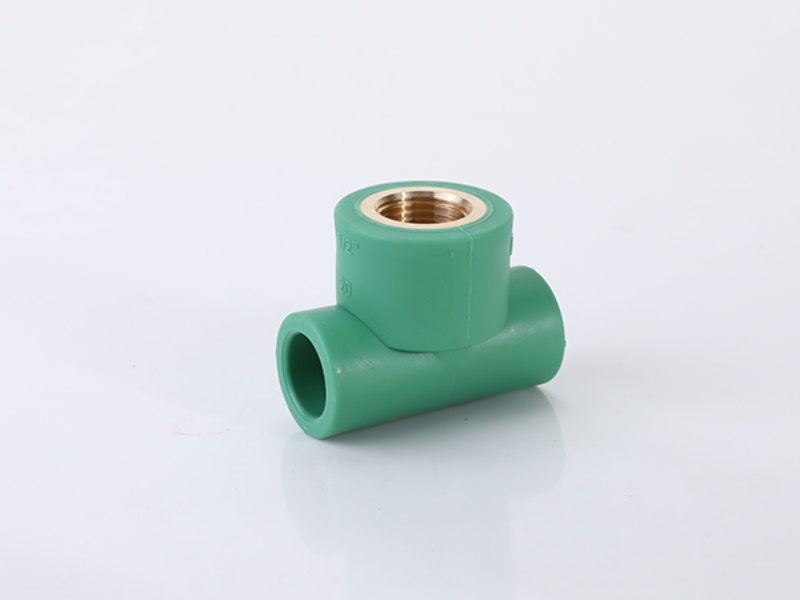
For example, polyvinyl chloride is common in pipes, cables, and flooring because it resists corrosion and fire. Polyurethane (PU) foam is used for insulation, sealing, and shock absorption.
In the medical industry, polymers are widely used because they are safe, flexible and biocompatible.
Medical-grade polymers like silicone and biodegradable polylactic acid (PLA) are used to make life-saving tools like catheters, sutures and implants.
For engineers, polymers offer more freedom in design and potential of performance.
In electronics, they are made into insulators for circuit boards and cable protection; in automotive and aerospace field, polymers can replace metal components, because they are strong and light, so they can help reduce energy consumption.
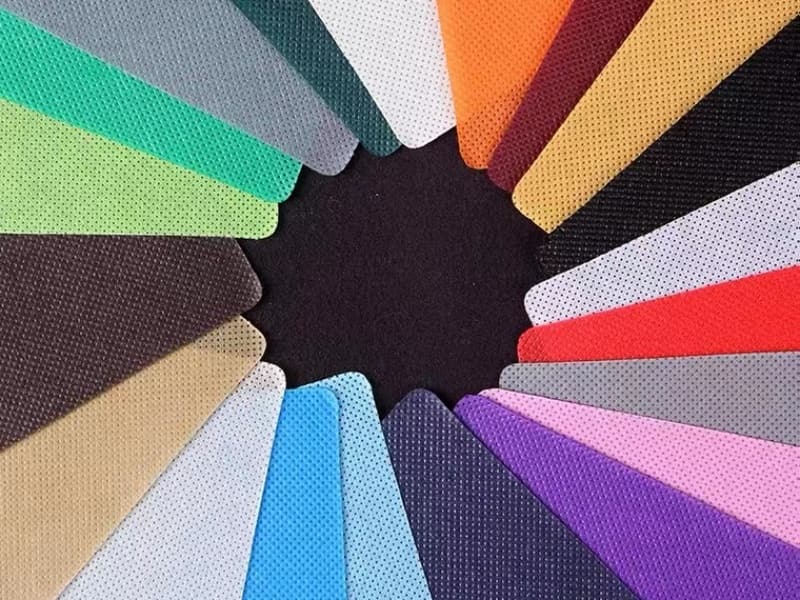
Next, let us see applications of four common polymers we have mentioned before:
Looking for flexible and strong materials? Check those polymers!
Conclusion
Now you know the basic knowledge of polymers, I bet you can make better decision when choosing materials for your product or personal use.
FAQs
Yes! Plastics are indeed a type of synthetic polymer, but they are not equal to polymers. In addition to plastics, polymers also have a lot different form, just like nylon (PA) we mentioned in the previous table.
If polymers are managed or littered incorrectly, they can indeed pollute our environment. As we have mentioned many times, the covalent bonds within polymers make them so stable that it requires even centuries to degrade in natural environments. It’s hard for them to “disappear” if we do not recycle or degrade them. So, find the recycling symbol next time when you want to throw a bottle!
That depends on the polymer's types and characteristics. Most thermoplastics (TP), e.g., plastic bags, imitation leather, drinks bottles, can be recycled and reused; However, it can be more difficult for thermosetting (TS) materials, e.g., sockets, foam, paint, to be recycled, because they are stronger and more stable.
For all polymer coloring applications, the key is matching the masterbatch to your production and application requirements. First, clearly define your polymer type, processing demands, and quality standards. Then consult with standard's experienced experts for customized solutions. Our masterbatches deliver exceptional dispersion, ultra-stable batch-to-batch color consistency, high heat resistance, and comprehensive compliance certifications—ensuring stable polymer product performance and reliable production.