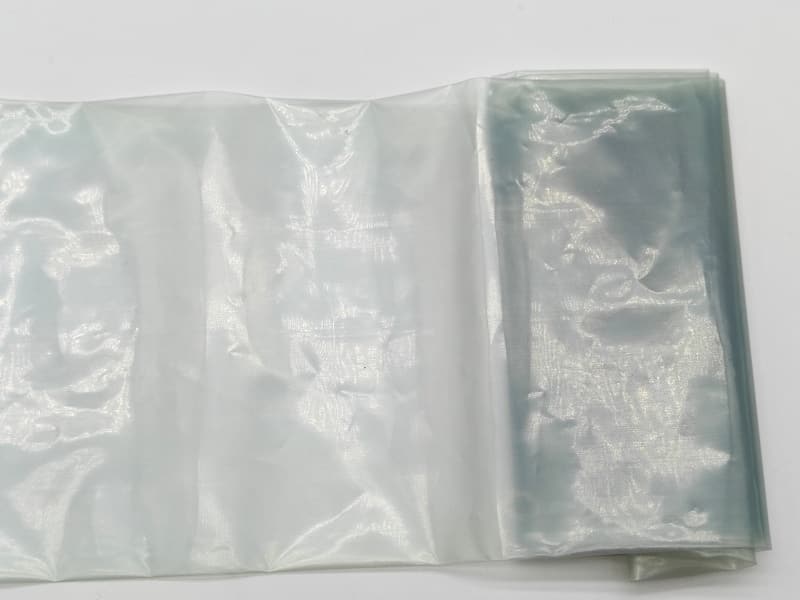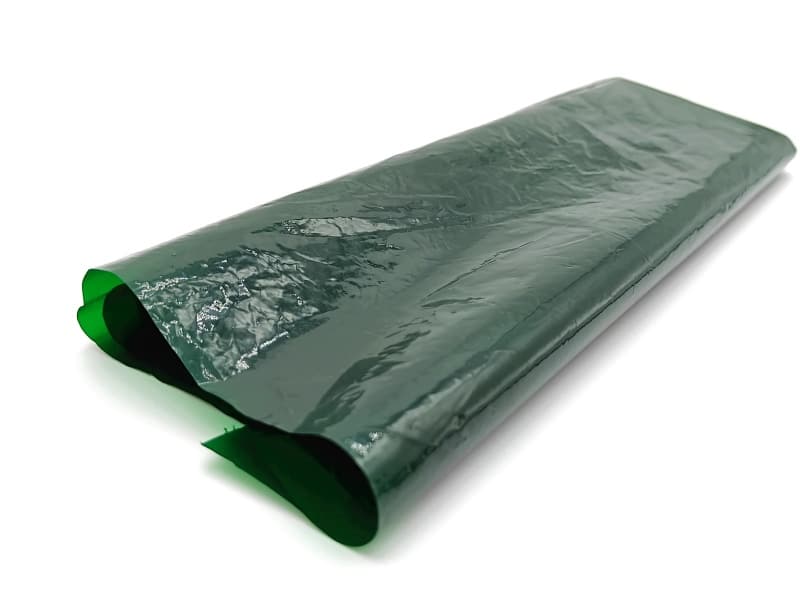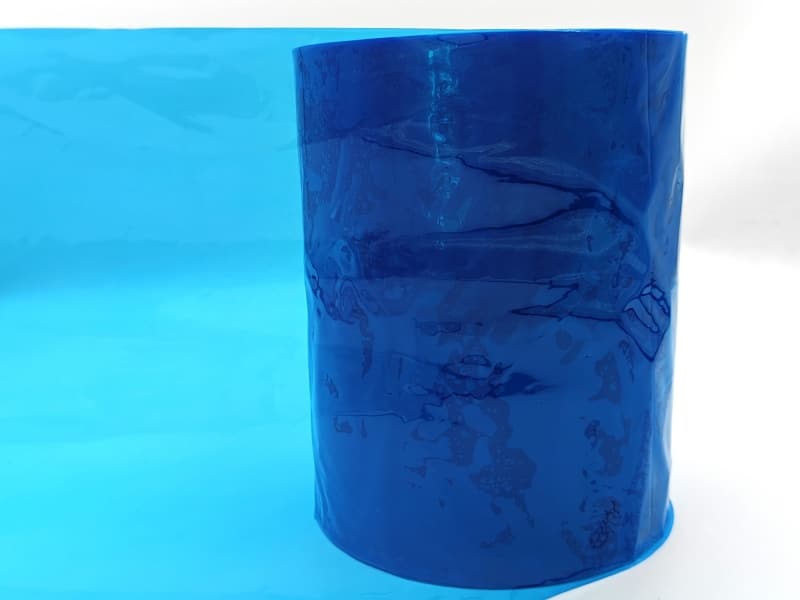
Simply speaking, density is "how much mass there is in one unit volume". In polyethylene, it can tell us how tightly the molecular chains are squeezed, with the unit being grams per cubic centimeter (g/cm³).
| Name | Density Range (g/cm³) | Feature Introduction |
| Low-density polyethylene (LDPE) | 0.910 to 0.925 | Highly branched, loosely packed chains |
| Linear low-density polyethylene (LLDPE) | 0.915-0.940 | More linear chains, stronger than LDPE |
| High-density polyethylene (HDPE) | 0.941-0.965 | Fewer branches, tightly packed |
| Ultra-high molecular weight polyethylene (UHMWPE) | 0.930-0.940 | Extremely high molecular weight, highly wear-resistant |
Option 1: Modify polymerization conditions and catalysts (e.g., Ziegler-Natta vs. metallocene catalysts) to control branching, molecular weight, and density.
Option 2: Blend or co-extrude different types of PE. For example, LDPE + LLDPE films combine flexibility and strength in multi-layer packaging.
They vary in terms of mechanical strength, heat resistance, and chemical stability. For example, HDPE is stiffer and more heat-resistant, while LDPE is more flexible and impact-tolerant.
Ranked by tensile strength: HDPE (25-32 MPa) > LLDPE (20-30 MPa) > LDPE (8-20 MPa).
Generally, for every 0.01g /cm³ increase in density, the strength can increase by approximately 4%.
If you value flexibility, then pick LDPE for it is not prone to breakage when impacted. The second choice is LLDPE; Although HDPE is quite strong while it is relatively brittle. Overall, the higher the density, the harder but more brittle it is.
The higher the density, the stronger the heat resistance. The rank of melting points is: HDPE (130-136℃) > LLDPE (122-124℃) > LDPE (105-115℃).
They are basically resistant to acids and alkalis (except concentrated nitric acid). However, due to its more regular structure, HDPE performs better in the face of long-term chemical corrosion and stress cracking.
The small parameter of density actually directly determines many "major properties" of polyethylene - not only affecting its strength, toughness and thermal stability, but also related to its value and cost-effectiveness in various application scenarios.
It is hoped that the above article can provide you with some help in choosing polyethylene of different densities
More to source:https://en.wikipedia.org/wiki/Polyethylene
Tired of PE masterbatch challenges like weak dispersion or color fading? Standard offers a standout solution with core advantages: high dispersion, vibrant color stability, consistent batch-to-batch stability, and strict ROHS/FDA certification We offer customized solutions, free samples, professional technical support, and fast delivery. Partner with us to enhance your PE product quality!