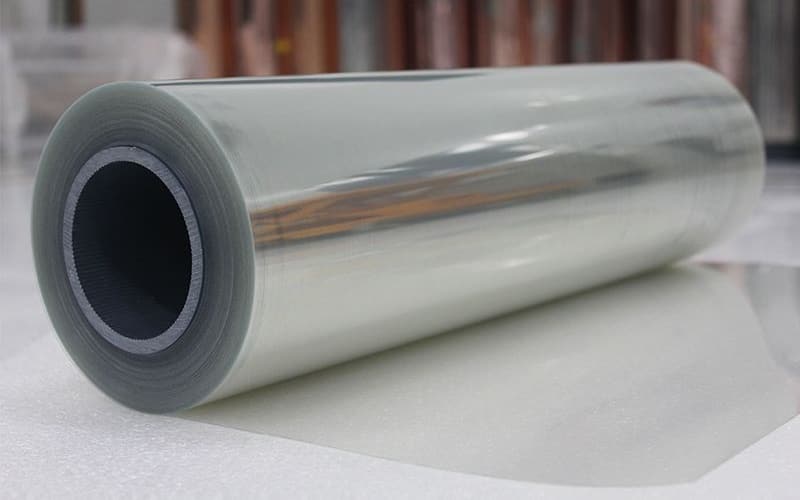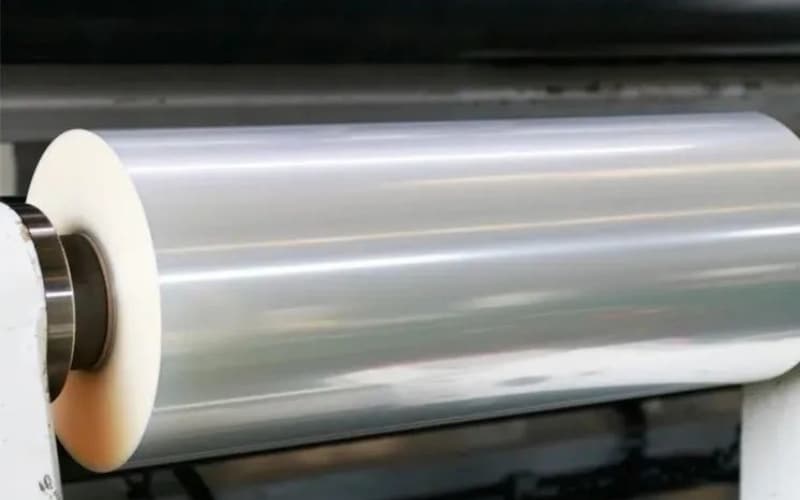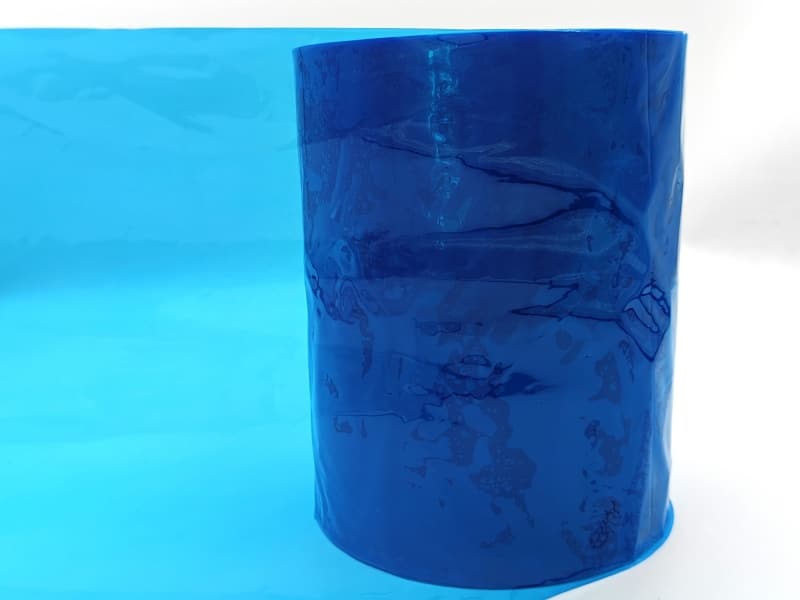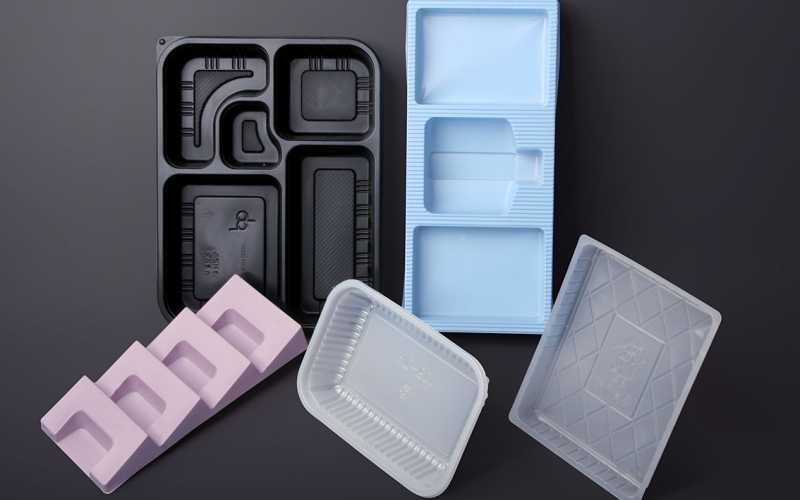
Rough edge also called burrs, it can be compared to scissors cutting nonwoven fabrics: if the scissors are not sharp enough or the fabric is not stretched tight, rough or torn edges will be cut. Similarly, in plastic film (cast PP film, cast polyethylene film, polypropylene biaxial stretching film, etc.) slitting, it manifests as: uneven edges, fine whisker-like fibers, slight warping or damage.
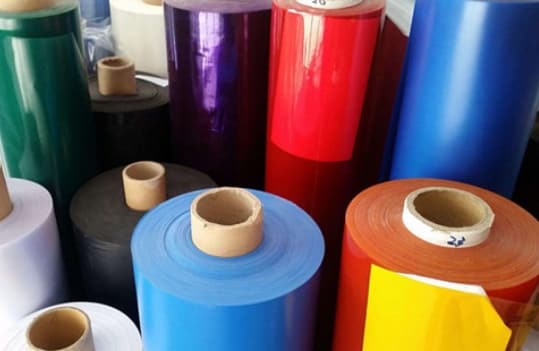
affects the visual effect of the product, reduces customer satisfaction, and even causes complaints or returns.
Thin film may break, printing may be inaccurate, and equipment may be polluted in printing, lamination, bag making and other links.
Film burrs are easy to embed into the roll layer, resulting in indentation, stringing or collapsed edges.
the machine needs to be stopped to change the knife or adjust the parameters, affecting production capacity.
Increased plastic film costs: additional waste, increased tool wear, and energy waste.
The most troublesome thing is the "irregular" burrs - it implies that the problem is persistent and must be completely eradicated through systematic thinking.
The essence of burrs is that during the cutting process, the plastic film is not cleanly cut off, but stretched, squeezed and torn. Combined with the molecular structure of the stretched film, it is not difficult to find the following key factors:
Blunting or chipping causes the tool to "squeeze" rather than cut the film, and the material breaks along the edge after being stretched to form whiskers
Especially for biaxially stretched films, its high hardness and brittleness make the tool quality particularly sensitive to burrs.
If the gap is too large, the film lacks support, is stretched and torn; if it is too small, it is over-extended, and the film forms wrinkles or pressed edges.
Poor blade angle assembly can also cause burrs and vibration. The knife angle suitable for film cutting needs to be fine-tuned.
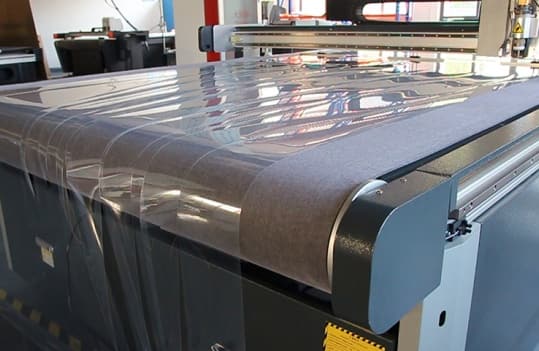
Equipment vibration or unstable knife seat leads to uneven cutting; pits, debris or sticky dirt on the surface of the anvil roller will affect the support of the film
Unstable tension control or excessive cutting speed will also amplify the burr phenomenon.
Static electricity, temperature and humidity abnormalities will also affect the cutting effect and tool life.
The edge of the parent roll may have thick edges, stress white spots or stains, and the problem is magnified during slitting.
Uneven plastic film thickness or formulation will also cause inconsistent cutting strength and cause burrs.
Replace tools in time and use ceramic or diamond-coated blades designed for high-hardness films.
Finely adjust the knife gap and knife angle, use a precision feeler gauge to set the appropriate gap, and adjust the RA angle appropriately (recommended to be slightly larger by 1–2°).
Clean the surface of the knife seat and anvil roller; repair minor scratches with fine sandpaper or replace the anvil roller when necessary.
Check and eliminate vibration and tighten the knife holder.
Tension should be dynamically controlled to avoid being too tight or too loose, and the speed should be appropriately limited according to the life of the tool.
Equip an electrostatic eliminator to maintain stable temperature and humidity and continuously inspect the cutting status.
Our company's technology originated in 2019. The entire team of the company comes from an American company. We provide customized solutions for cast film, biaxial stretch films, and blown films.
We have both cost-reducing solutions and improve the quality of masterbatch solutions. We cooperate with many international and domestic listed film companies, such as Profol, Hailide, etc.
The types of carriers we can provide for film customers include: PP, PE, PET, TPU, EVA, etc.
Click below to contact us for free quotes and samples Now!