What Is Polyethylene (PE)? — A “Friend” You Encounter Every Day
Brief Introduction of Polyethylene in Plastic Field
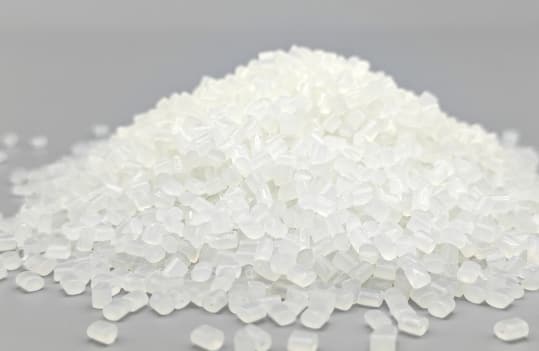
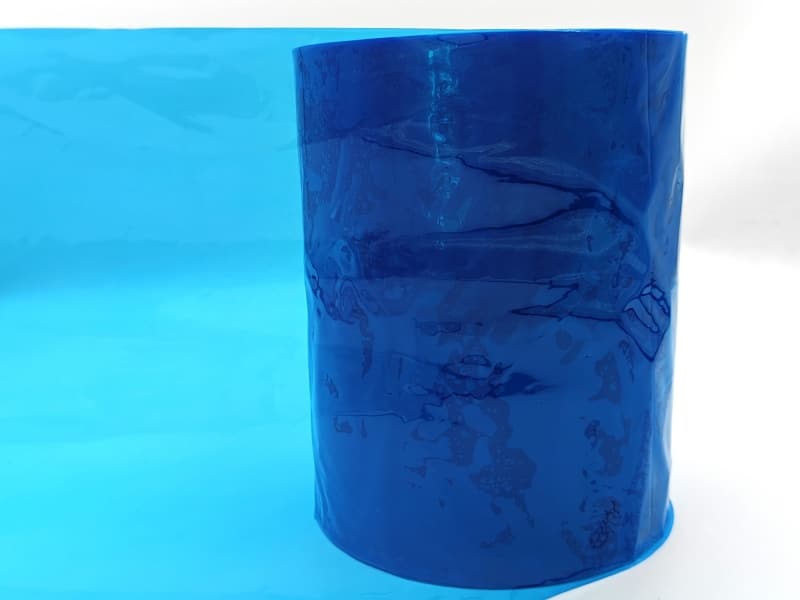
Polyethylene (PE), is a high molecular thermoplastic resin formed by polymerization of ethylene monomers. The chemical formula is (C₂H₄)ₙ. It’s one of the most essential materials in modern manufacturing.
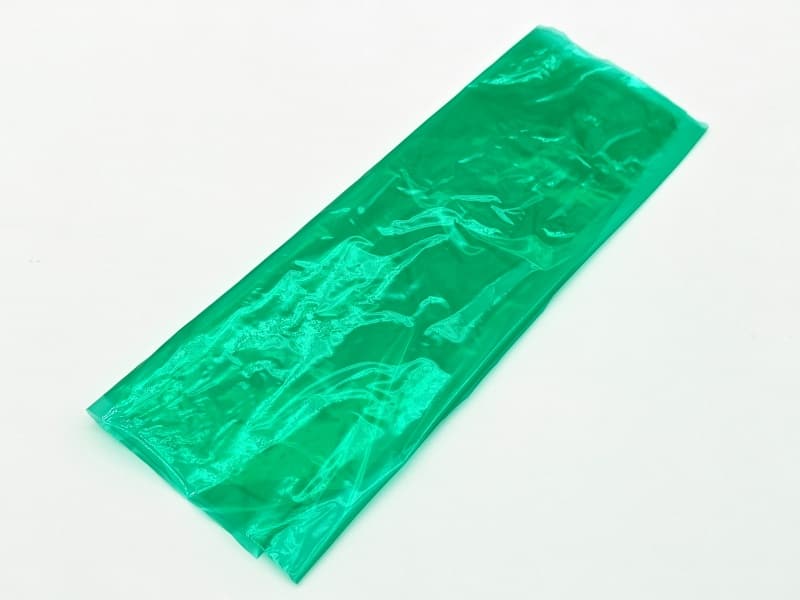
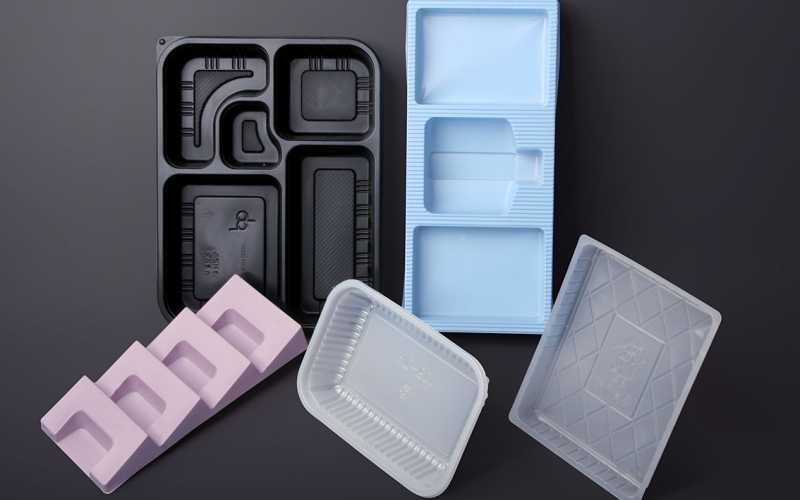
Polyethylene exists in our daily life and industrial production, just like a close “ friend”. PE is known for its lightweight, durability, corrosion resistance, ease of processing, and low production cost. From packaging films and containers to supermarket shopping bags, kitchen cling wrap and milk jugs, polyethylene has become the most widely produced and used plastic material in the world.
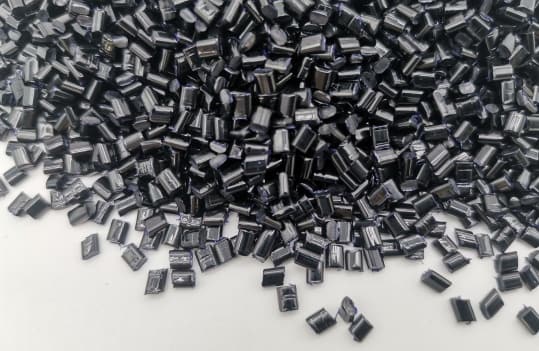
Four Main Types of PE in Different Density:
Type | Abbreviation | Density (g/cm³) | Key Features | Applications |
Low-Density Polyethylene | LDPE | 0.910–0.925 | Soft and transparent | Commonly used in films and packaging bags |
Linear Low-Density Polyethylene | LLDPE | 0.915–0.940 | Stronger than LDPE; Excellent tear and stress-crack resistance | Stretch films and agricultural films |
High-Density Polyethylene | HDPE | 0.941–0.965 | High hardness and strong chemical corrosion resistance | Containers, water pipes, toys, ect. |
Ultra-High Molecular Weight PE | UHMWPE | > 3×10⁶ g/mol | The wear resistance is 15 times that of steel. The impact resistance is also excellent. | It is suitable for artificial joints, bulletproof materials, etc. |
Key Advantages& Limitations to Consider When Choosing the PE Masterbatches
✅Resistant to acid& alkali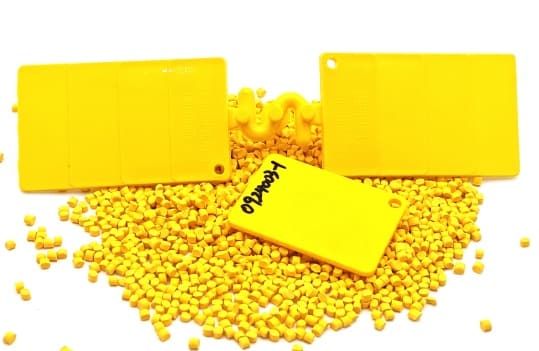
✅Stable performance on electrical insulation
✅Easy to process & low production cost
✅High toughness and impact resistance
✅Low water absorption and good low-temperature performance
❌ Limited heat resistance (usually up to 80–100°C)
❌ Surface needs treatment for printing or lamination
Comparison of PE Masterbatch and Other Common Plastic Masterbatches
Item | PE Masterbatch | PP Masterbatch | PET Masterbatch | PVC Masterbatch |
Carrier Material | Polyethylene (LDPE, HDPE) | Polypropylene (Homo/Copolymer) | Polyethylene Terephthalate | Polyvinyl Chloride |
Main Applications | Films, pipes, cables, household products | Injection parts, woven bags, automotive parts | Optical films, packaging films, preforms, fibers | Cables, hoses, window & door profiles |
Processing Temperature Range | 120–220℃ | 160–240℃ | 240–300℃ | 150–200℃ |
Compatibility | Excellent with PE materials, partially compatible with PP | Best with PP, partially compatible with PE | Must match PET base, high heat resistance | Designed for PVC, good compatibility |
Advantages | Good flexibility, low processing temperature, wide applicability | High rigidity, good heat resistance | High transparency, strong, high-temperature resistant | Excellent flame retardancy, strong chemical resistance |
Limitations | Lower rigidity and heat resistance than PP and PET | Not ideal for low-temperature impact | Requires high processing temperature, higher energy consumption | More restrictions due to environmental regulations |
Guide Summary:
If your product is PE films, pipes, or cable outer sheaths → PE masterbatch is the first choice.
If it is high-rigidity plastic parts or woven bags → PP masterbatch is a suitable option.
If it is high-temperature-resistant transparent films or preforms → PET masterbatch is more appropriate.
If it is cables or profiles → PVC masterbatch is commonly used and offers excellent flame retardancy.
Summary of Polyethylene/PE
Polyethylene is of an engineering plastic that combines excellent performance with wide applicability. Its simple chemical structure has resulted in its diverse physical properties and processing flexibility. Although its environmental protection issues need to be urgently addressed, with the development of green plastic technology, the transformation of polyethylene from a "convenient material" to a "green material" will redefine the boundary of the relationship between industry and nature.
What Standard Polymer Can Provide?
STD offers a full range of PE-compatible masterbatches and additives masterbatches to support your specific product requirements and customized needs— no matter you're working on films, fabrics, injection molding or extrusion.
1. Wide Material Compatibility→ Standard Polymer uses high-quality LDPE/HDPE as carrier resin, ensuring excellent compatibility with a variety of PE-based films, pipes, and cable sheaths.
2. Stable Performance & Uniform Dispersion→ Raw materials are sourced from renowned domestic and international manufacturers, such as Exxon, BASF, Clariant, SABIC, and Dupont. This results in high pigment concentration, excellent dispersibility, and stable quality. This helps downstream companies reduce pigment usage and improve efficiency.
3. Customized Solution→ We are available in providing customized formula by combining the color masterbatches (black, white, various colors) and functional masterbatches (anti-mite, soft-touch, anti-static, UV-resistant, etc.).
4. Environment Friendly→ Formulations can pass RoHS, REACH, and other international environmental standards. With non-toxic, low-odor, it is suitable for food contact and eco-friendly packaging.
5. Strong R&D and Technical Support→ Backed by STANDARD Polymer’s in-house laboratory for continuous product innovation. Provides rapid color matching and performance testing services to shorten development cycles.
Want to know which type of PE Masterbatch is best for your product?
Contact us for technical support, free samples, or quotations.