More and more manufacturers choose masterbatches as the mainstream way to color plastics. But this does not mean that pigments are "outdated", but each has its own advantages and disadvantages, and needs to be selected according to needs.
| Project | Pigments | Masterbatch |
| Form | Dry powder, untreated | Granular, pigment has been pre-dispersed in the carrier |
| Processing method | Need to be directly mixed into the plastic, easy to generate dust | Mixed with raw material particles, simple and safe operation |
| Dispersion | Easy to agglomerate, additional processing and dispersion are required | Good dispersion, suitable for high-speed and high-shear equipment |
| Color consistency | Large batch fluctuations, repeated color adjustment is required | Batch stability control can be achieved |
| Cost | Low raw material cost | Slightly higher unit price, but it can reduce overall manufacturing errors and scrap rates |
| Flexibility | High degree of freedom, can be formulated by yourself | Suitable for standardized, large-scale, color stability requirements of high application scenarios |
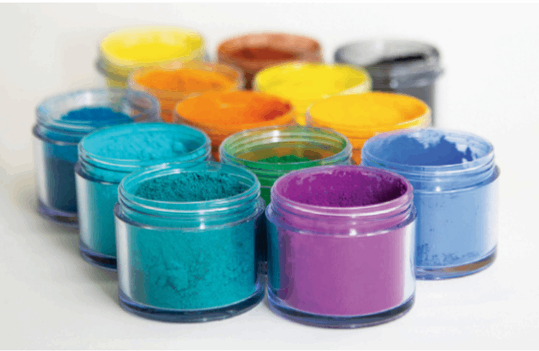
| High degree of freedom | suitable for laboratory development, small batch trial production, manual adjustment of proportions for fast proofing |
| Low material cost | lower unit price, suitable for budget-sensitive occasions |
| Suitable for certain coatings or composite processing | such as inks, printing coatings and other processes that have special requirements for carriers |
However, in industrial production with high speed, high stability and high cleanliness requirements, the shortcomings of pigments themselves are gradually exposed - especially today when automation, environmental protection and consistency are increasingly valued.
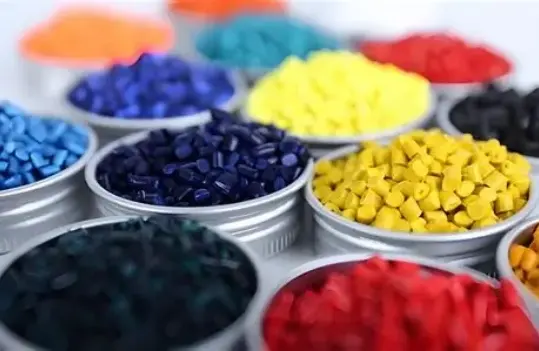
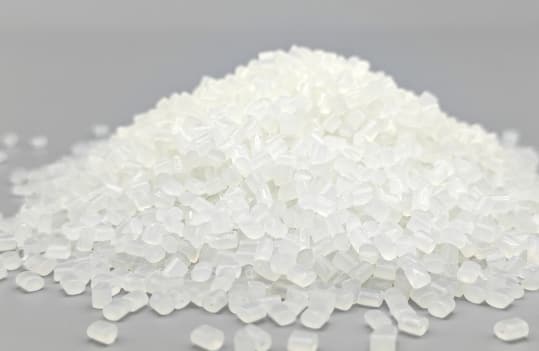
Masterbatches are coloring products made by further efficiently mixing pigments with resin carriers and additives and melt granulating them. In essence, it is a "controllable pigment system" that solves most problems in the use of pigment powder and is particularly suitable for the following fields:
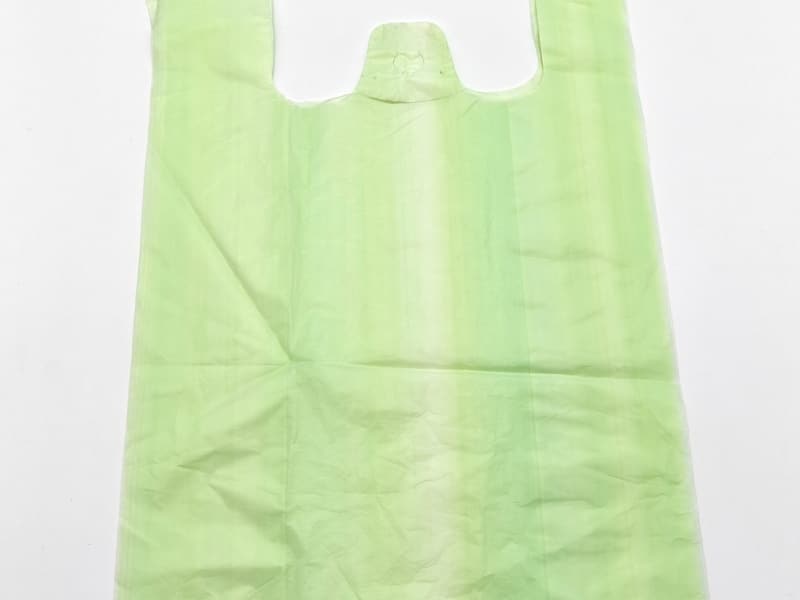
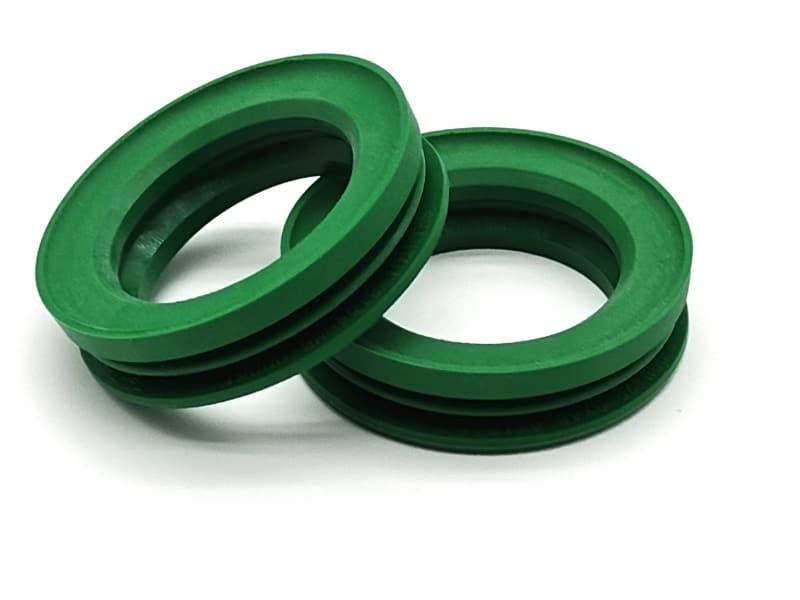
Injection molding products: such as daily chemical packaging and home appliance housings, which require extremely high color consistency.
Wires and cables: color difference cannot be ignored, and at the same time, it cannot affect electrical performance.
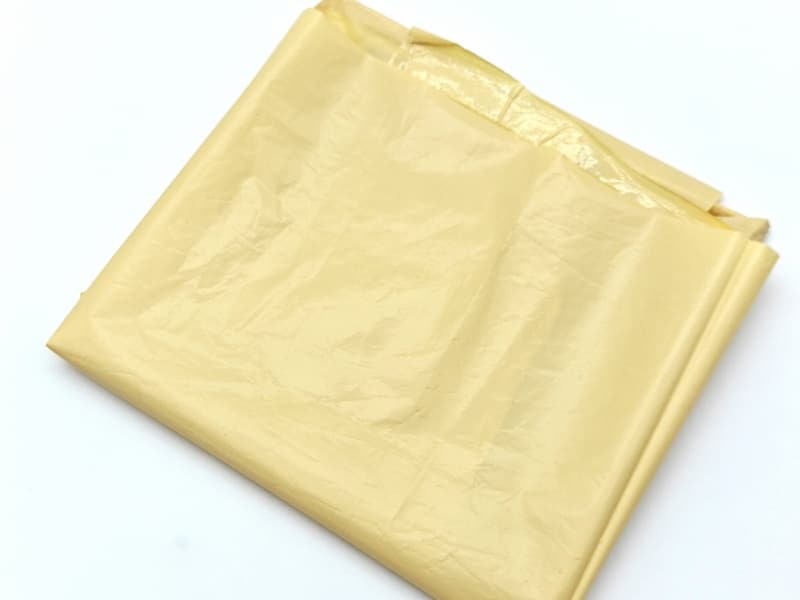
Packaging film: extremely thin products require extremely high pigment dispersion, otherwise stripes or spots will appear.
Foaming products (such as EVA): it is required not to affect the foaming structure, and the masterbatch can control the pigment particle size and distribution.
As a company deeply engaged in the research and development and production of masterbatches, Standard Polymer provides high-performance masterbatch solutions covering a variety of resin systems such as PE, PP, EVA, TPU, ABS, etc., with the following advantages: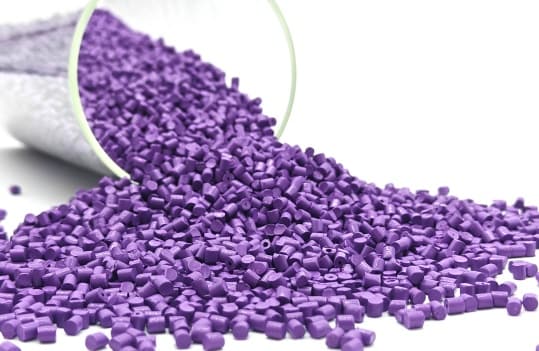
Excellent dispersion: adapt to high-speed extrusion, precision injection molding, complex molds and other processing conditions
Environmentally friendly formula: does not contain heavy metals, complies with ROHS, REACH International standards
Stable batch consistency: suitable for export customers and brand customers who are highly sensitive to color difference
Support customized development: carrier and auxiliary agent systems can be designed on demand to adapt to special substrates
Contact us for free samples and technical consultation!